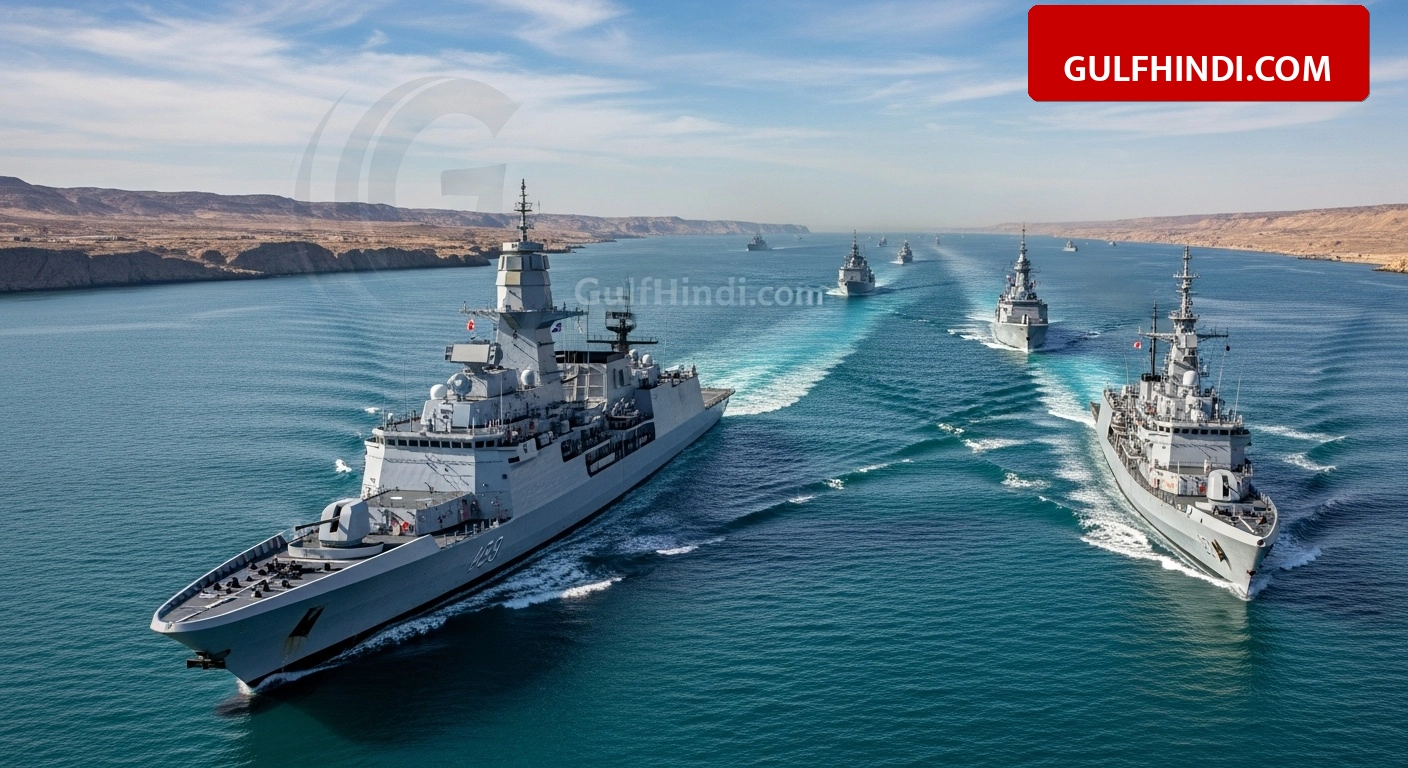
After increasing tension in the Strait of Hormuz, it is now considered almost completely closed for commercial ships. In the meeting held in Brussels on 16 March 2026, the member countries of the EU (European Union) have started discussions to reopen this important route. According to EU foreign policy chief Kaja Kallas, it is very important to keep this waterway open and for this European countries will soon take many strict steps. Due to the dispute that started in late February, the movement of ships on this route has been deeply affected.
👉: Sultan of Oman met the Foreign Minister of Egypt, cooperation between the two countries was discussed.
What impact will the closure of the Strait of Hormuz have on business and common people?
The Strait of Hormuz is one of the most important sea lanes in the world. The closure of this route is having a direct impact on world trade and oil prices. Presently the situation is such that Iran is talking about implementing wartime transit rules in this region. Below are some of the major reasons that explain why this matter is so serious:
About 20 percent of the world’s oil and LNG (Liquefied Natural Gas) passes through this route. After March 2, 2026, the movement of ships through this route has reduced significantly. Most commercial ships now take the longer route via the Cape of Good Hope. In view of the danger, the insurance premium (war-risk premium) of ships passing through this area has increased significantly. Due to long distance and expensive insurance, there is a possibility of direct impact on oil and gas prices.
What are the preparations of countries around the world to secure the route?
In view of this crisis, many countries are planning to work together. The EU is considering enlarging its Operation Aspides, which operates primarily in the Red Sea. Although Germany has expressed some doubt on this plan, other countries are coming forward to help. The steps being taken to protect the sea route are as follows:
Currently three warships from France, Greece and Italy are operating under Operation Aspides. Now French President Macron has promised to send two additional warships (frigates). A plan is also being made to deploy special minesweeping drones to remove mines hidden in the sea water. US President Donald Trump has also demanded at least seven countries to send their warships on this route. If there is no consensus among all 27 EU countries, then certain countries will come together and form a separate coalition (coalition of the willing) to secure this waterway.