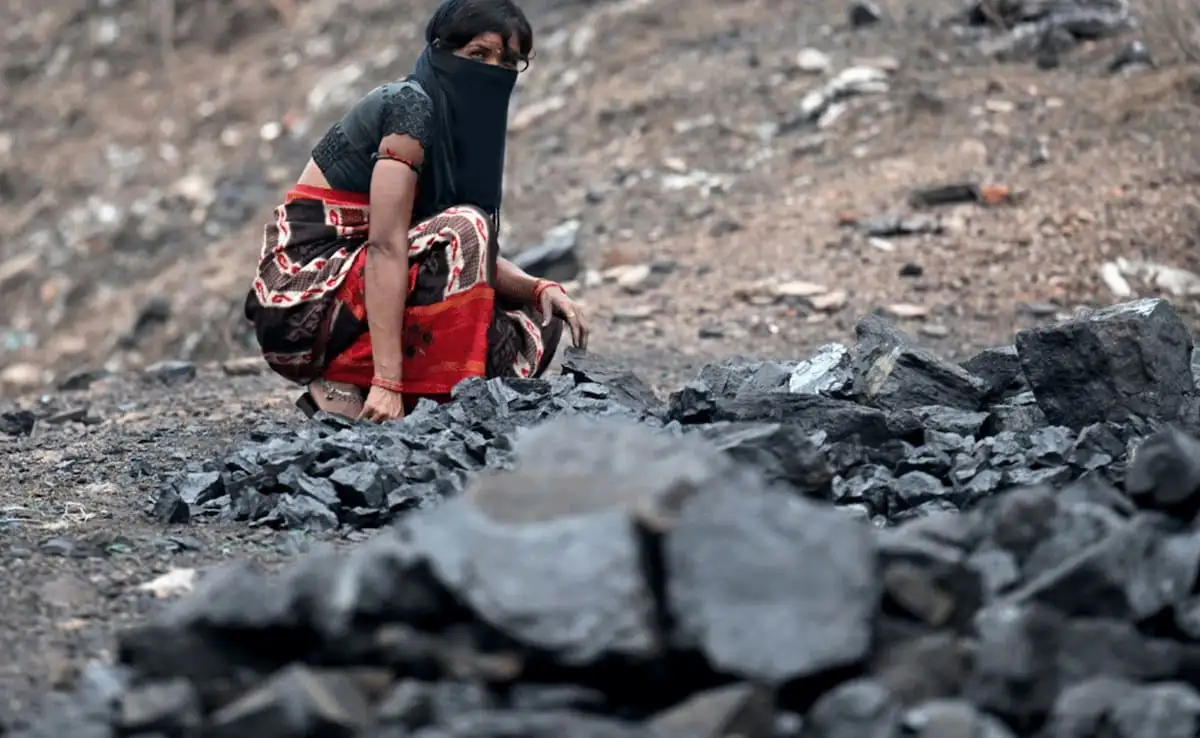
The increasing tension in the Middle East has once again put the whole world in fear of energy crisis. Oil price fluctuations, supply chain disruptions and geopolitical risks pose major challenges to many countries; Yet, amidst all this, India’s situation is somewhat different this time. Speaking in Parliament, Prime Minister Narendra Modi clearly said the country has ample reserves of coal—often called “black gold”—and energy resources. He assured that, despite the current global crisis, there will be no major adverse impact on India’s power infrastructure. This was not just a political trust; Rather, the Prime Minister’s claim is the result of a comprehensive strategic plan.
In fact, the way India has established coal—aka “black gold”—as the foundation of its energy security over the past decade is now emerging as its biggest strength in this time of crisis. Coal is called “black gold” because of its enormous economic importance and its wide utility.
India is the world’s second largest coal producer and third largest consumer. Even today, about 70% of the country’s electricity is generated using coal. As a result, if coal supply remains strong, power infrastructure also remains strong. At the center of this entire system is Coal India Limited—the world’s largest coal producing company—which is slated to produce more than 770 million tonnes of coal in FY 2024, which is about 80% of the country’s total domestic coal production. In addition, several private and captive mining projects have also taken production to unprecedented heights.
Over the past few years, India has achieved record levels in coal production. This is not just a statistical figure, but also a strategic shift in which the country has given priority to domestic resources and also reduced its dependence on imports. However, it is worth noting that India still imports coal—to the tune of about 248.5 million tonnes over the period 2024–25. Nevertheless, dependence on foreign sources is gradually being reduced. This is the reason why, in the current financial year, coal imports have declined by 4.2 percent. Also read: Iran vs Israel-US conflict: How the storm of inflation—from oil prices to the common man’s plate—will reach India; understand all the math
How was this robust model developed?
India’s energy security strategy rests on three main pillars. The first pillar is to achieve record-breaking production levels and move towards self-reliance. The government has taken many important decisions to promote coal production. These measures include allowing commercial mining, allowing private companies to enter the sector and simplifying the approval process. As a result of these steps, production has increased and dependence on imports has reduced.
The second pillar is maintaining strong reserves—that is, ensuring adequate storage. In the past, power plants often faced shortage of coal, leading to power cuts in various parts of the country. However, the government has now imposed strict rules under which it is mandatory to maintain minimum stock levels of coal at power plants. Today, most of the thermal power plants in the country have sufficient coal reserves to continue producing power without interruption for several days.
The third pillar focuses on improving supply chain management. While ensuring the availability of coal is important, it is equally important to ensure its timely delivery—in particular, transit time. For this purpose, the government has implemented several measures, including expanding the railway network, increasing the number of freight train rakes and setting up a seamless digital tracking system. These initiatives have made the domestic coal supply chain more reliable—and that is precisely why power plants across the country are operating without interruption today.