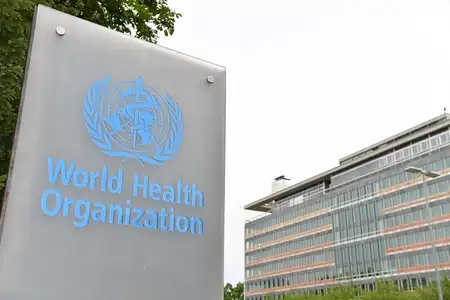
Copenhagen, May 1 (IANS). The World Health Organization’s Regional Office for Europe (WHO/Europe) has named Denmark’s Center for Health and Infectious Disease Research as the new WHO Collaborating Centre. The center will strengthen regional efforts against HIV, viral hepatitis, TB and sexually transmitted infections (SITs).
The Centre, based at Rigshospitalet and the University of Copenhagen, will work together with WHO/Europe and Member States to translate scientific research into practice, strengthen public health responses and accelerate progress towards regional health goals.
This enrollment focuses on HIV, H/TB co-infection and viral hepatitis, while work on SIT will also continue. Over a period of four years, the center will help build the capacity of health workers, expand access to HIV, hepatitis and STI testing, strengthen implementation and operational research, and improve biomedical prevention programs at the national level.
“WHO’s Collaborating Centers enhance the Organization’s technical capacity, provide expertise and strengthen institutional capacities in countries and regions,” said Ior Perenits, Director of Health Security and Regional Emergencies, WHO/Europe.
HIV is a virus that weakens the immune system by attacking CD4 cells. Without treatment, it can turn into AIDS, which can lead to serious infections. However, with antiretroviral therapy (ART), infected individuals can live long and healthy lives.
Hepatitis is an inflammation of the liver, which can be caused by viral infections (A,B,C,D,E), alcohol, toxins, or autoimmune conditions. Symptoms include jaundice, fatigue, stomach pain and dark urine, although in many cases there are no symptoms.
TB is a serious infectious disease caused by the bacteria Mycobacterium tuberculosis and primarily affects the lungs. Its symptoms include persistent cough, chest pain, fever, weakness and night sweats. TB is curable with the right treatment and a full course of antibiotics, but complete medication adherence is important so that drug-resistant TB does not develop.
–IANS
kr/