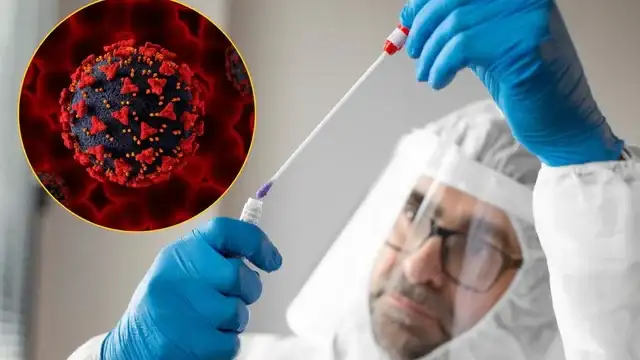
The Ebola virus is once again spreading rapidly in many parts of Africa, raising concerns among health agencies around the world. In particular, cases emerging in Congo and Uganda have put health experts on high alert. A new analysis by researchers at the World Health Organization and Imperial College London suggests that the true number of Ebola infections in Congo may be much higher than official figures. According to reports, there could be 400 to 800 cases of Ebola by mid-May, while some experts have even expressed concern that the number could exceed 1,000. The highest number of cases have been reported in Congo’s Ituri province, where the infection has been spreading continuously since the end of April.
**How does this virus spread?**
According to the Centers for Disease Control and Prevention (CDC), Ebola is an extremely dangerous viral disease that spreads through contact with the blood, sweat, vomit, saliva, or other bodily fluids of an infected person. Health experts emphasize that the virus does not spread through air or water; However, when a person comes into direct contact with an infected person, the risk of infection increases significantly. Doctors, nurses, and caregivers—those who care for patients—are particularly at risk of infection.
**What are its initial symptoms?**
The initial symptoms of Ebola are often similar to those of a common viral fever, making it difficult to identify in the early stages of the disease. The infected person may experience high fever, headache, body ache, weakness and sore throat. As the disease progresses, symptoms may include vomiting, diarrhea, skin rashes, and—in many cases—internal or external bleeding. Experts say that it may take 2 to 21 days for symptoms to appear after infection. However, on average, symptoms of the disease usually begin to appear in a patient within 8 to 10 days. A matter of relief is that the infection does not spread from the infected person before symptoms appear.
**How can I avoid this?**
According to doctors at Apollo Hospitals, caution is the most important weapon to prevent Ebola. Avoid contact with infected patients, wash your hands frequently with soap, and avoid touching the blood or bodily fluids of anyone who is sick. If a person has recently returned from an Ebola-affected area and has a high fever or feels weak, they should seek medical attention immediately. Health agencies also believe that vaccination and contact tracing are proving to be the most effective means of controlling Ebola. Apart from this, PPE kits, masks, gloves and strict infection control measures have been considered necessary for health workers.