Very little right but the relationship of food and stories in Indian cinema has been very intimate and multicolored, sometimes it becomes a medium connecting relationships, sometimes a means to explain the complexities and sensations of life
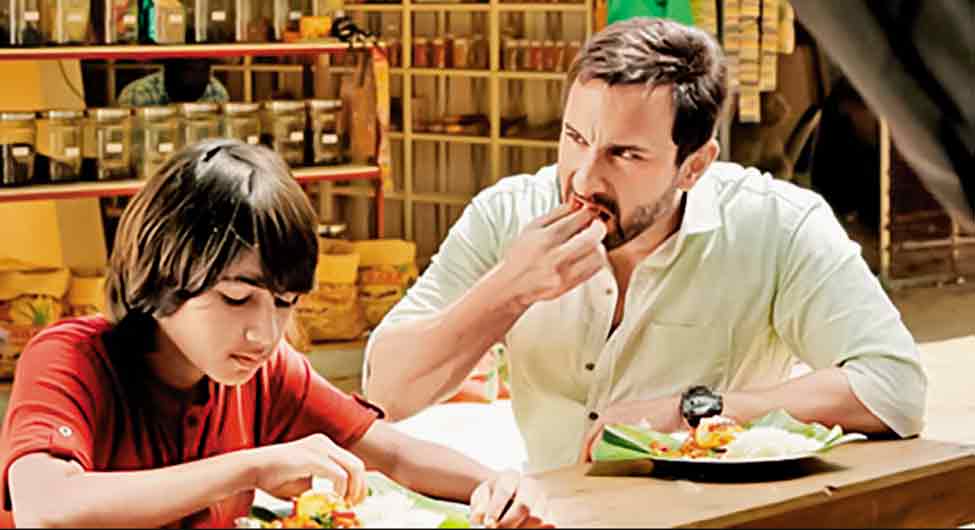
Thousands of films made in India every year have negligible films focused on food culture. The presence of restaurants, dhabas and five -star hotels appears in Hindi cinema, but there is only food used as a landscape, not as a carrier of culture. For example, in October, Nayak’s dream of opening a restaurant is a part of the story, the major plot love story. Similarly, the film Hotel based on 26/11 terror attacks keeps the hotel at the center due to the Mumbai theme, but does not have any direct relationship with food culture. It is an indication that the tradition of making food a matter of cultural discourse in Indian cinema has still not developed. Well, Bollywood has some films and web series identifying food culture. For example, the series of Netflix, adorned with the fragrance of food, is a good murder mystery, but within it the heat of restore dreams and struggle continues to ripen, which Konkona Sen and Manoj Bajpayee have played well. The last film of Rishi Kapoor, Sharmaji Namkeen, gives a new meaning to the elderly father’s life. After retirement, he finds his identity in the kitchen world. Saif Ali Khan’s character in the chef adopts the culture of cooking and food trucks to connect his son and family. The film Love Shabnam Te Chikan Khurana, remembering the legacy of food, tells the story of finding Dada’s lost recipe with the smell of Punjabi taste. Stanley’s box introduces the innocent child’s hunger, school and relationship moisture, while the Chinese begins with Amitabh Bachchan and Tabu’s unique love story Hyderabadi Casserole and bridges the distance of generations.
Irrfan Khan in a scene of lunch box film
English Vinglish is a self-esteem journey of an ordinary housewife, where along with learning English, laddus and sweets also become a part of her personality. Tumbad creates a unique form of folklore and cultural horrors by symbolizing grains and food. If something else goes backwards, Rishikesh Mukherjee’s desire makes the food to add a scattered door of the family. Very little right but the relationship of food and stories in Indian cinema has been very intimate and multicolored. Sometimes it becomes a medium connecting relationships, sometimes a means of explaining the complexities and sensations of life.
In the lunch box, Irfan Khan and Nawazuddin Siddiqui have brought alive the rare stagnation where simple food kept in the compartment adds two unknown souls and quietly turns into a lovely love story. Huma Qureshi in Tarala, India’s first woman chef puts the life of Tarla broker on screen and shows how Pak-art can also be a language of empowerment for a woman. In this sequence, we should appreciate the Indian regional cinema, because in this case there is a really excellent work. Regional cinema has many times shown that food is not only taste or tradition, but is deeply connected to the structure of life-philosophy, relationships and society.
Rishi Kapoor in Sharma ji Namkeen
The Malayalam film The Great Indian Kitchen makes the domestic woman’s life and kitchen routine to the food culture and patriarchy, while the Salt N Paper Eat and Radio Program brings out the friendship of two unknown people and the intimacy of the tradition through the radio program. The Tamil thriller Onayum Autukutyum threads the night-long T-Stall culture in South India in its story, while the Assamese film, while the unusual traditions of Aamish food, highlights the depths of social taboo and human-nature through unusual traditions of Aamish Khanapan. Gulabjam Maharashtrian presents the sensitivity of guru-disciple relationship through Maharashtrian Pak-art and sweets, many other regional films including Bhojpuri cinema have been connecting banquet, feast and plate culture to social customs and collective life. Whereas Ustad teaches life philosophy through hotels, biryani, hospitality and family relationships. Angamali diarrhea depicts the cultural identity of the small town through local cuisine. Bitter air keeps the changing food culture and tragedy of life in a poignant manner with the effects of climate change.
Stall
Talking about world cinema, their scope becomes much wider in this context. There is a deep confluence of food and culture in Korean cinema. Sometimes these dishes appear as the identity and cultural heritage of a nation, sometimes a young woman returns to the village and reflects in the affinity of making traditional and seasonal food. Somewhere the discovery of mysterious dishes, combines taste, aroma and memories, somewhere the layers of relationships are opened through bakery and sweets. Sometimes these dishes become a symbol of competition and interaction, sometimes a mirror of life’s simplicity and emotions. In this way, food is not limited to taste just, but becomes a deep metaphor of culture, memories and relationships.
Food in Hollywood cinema emerges not only the feeling of taste, but as a metaphor of complex fabric of life and society. The restaurant of New York in the film Dinner Rush is not just a place to serve dishes, but the theater of strength and identity struggle, where Italian tradition and modern trends stand face to face. The menu film makes the film food a culmination of art and consumption, the question raises the question of whether the extreme of taste ultimately calls for destruction, every dish here is a drama and every guest is inaugurated by every guest. Again, the restaurant of the waiting film is a satirist of the American middle -class life, where the insecurity of the workers and the consumer’s arrogance makes food the subject of a social laboratory. The film considers Bert food a symbol of self -purpose and rebirth. The discovery of Michelin Star transforms art, labor and competition into a tragic journey by taking the form of a modern myth here. At the same time, The Hundred-Foot Journey transforms the hundred feet distance between Indian spices and French cuisine into the bridge of dialogue and co-existence of cultures.
There is also an interesting fact that the acting of the great artist Om Puri in this film is worth watching. Some films reflect French food culture and a combination of American lifestyle, while some underline the importance of food in modern food trucks culture and family relationships. Somewhere the kitchen is depicted as a laboratory of art and passion, while somewhere it is shown to be intimacy and balance of life through pasta, pizza and traditional dishes. Tasty food has always been one of the pleasant experiences.
(The author is a film scholar)