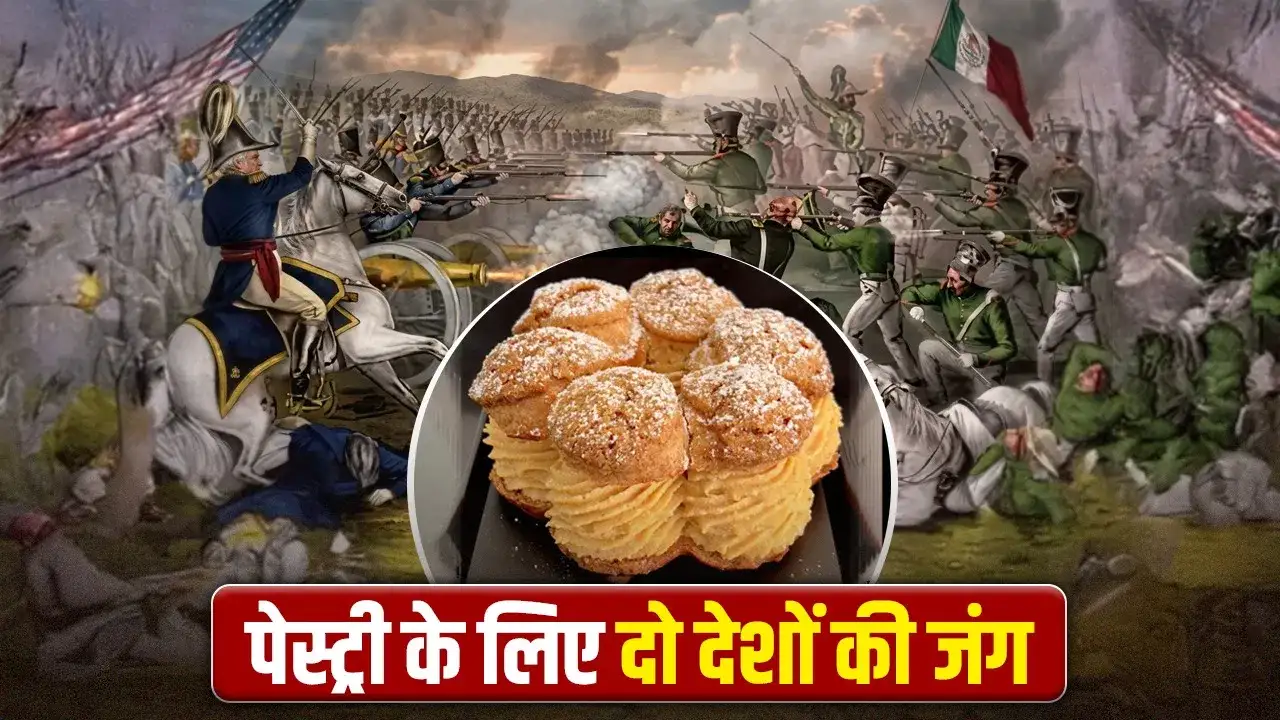
Throughout the history of the world, you’ve probably heard about many bloody battles fought for oil, land, and power; But have you ever heard of a conflict in which armies of two countries came face to face just because of the loss of a pastry shop? It may sound like a joke, but the “Pastry War”—fought between France and Mexico in 1838—is one of the strangest, yet very real, military conflicts in history. This was not just a diplomatic spat, but an incident that showed how in the field of international relations, even the smallest of issues can escalate into a major war.
The foundation of this unique feud was laid in 1832. In Mexico City, a French pastry chef named Remontel ran his own shop. One day, several Mexican army officers forced their way into his shop; They not only vandalized the shop but also looted a lot. Devastated by the loss of both his livelihood and his reputation, the chef appealed to the Mexican government for compensation.
However, Mexico—which was going through a period of great political instability at the time—completely ignored the complaint and flatly refused to pay any compensation. When the Mexican government paid no heed to the chef’s pleas, he appealed to King Louis Philippe of France for help. This was a period when France was looking for any excuse to strengthen its international credibility.
France seized this small conflict and used it as a powerful political weapon. Paris began to put pressure on Mexico, demanding a huge sum of about 600,000 pesos in compensation for the damage done to Remontel’s shop. At that time, such a huge amount was considered a huge sum for any country.
When Mexico refused to pay this excessive and unjust fine, France became infuriated. In November 1838, France dispatched its naval fleet to Mexico. French ships besieged Veracruz, Mexico’s most important port. When Mexico still refused to accept defeat, the French attacked the port.
As a result of this military campaign, many Mexican soldiers were killed and their navy suffered heavy losses. This feud continued for almost a year, due to which Mexico’s economy was badly shaken. After a year of such tension and military conflict, Mexico’s situation had become extremely critical.
Ultimately, Britain decided to mediate the dispute. British diplomats helped in negotiations between the two countries. Mexico not only had to admit its mistake, but also had to pay the amount of 600,000 pesos demanded by France.
Although the fighting had stopped, the conflict was forever recorded in the pages of history as the “Pastry War”. Even today, this war remains a profound lesson for students of diplomacy; It shows how arrogance and a small mistake can lead to a bloody conflict.
The “Pastry Wars” were not just a dispute over pastries; This was a form of the imperialist mentality prevalent at that time. France used the plight of a humble pastry chef as an excuse to show off its military might. The fire, sparked by the administrative chaos of Mexican officials, was finally extinguished—but it was too late.