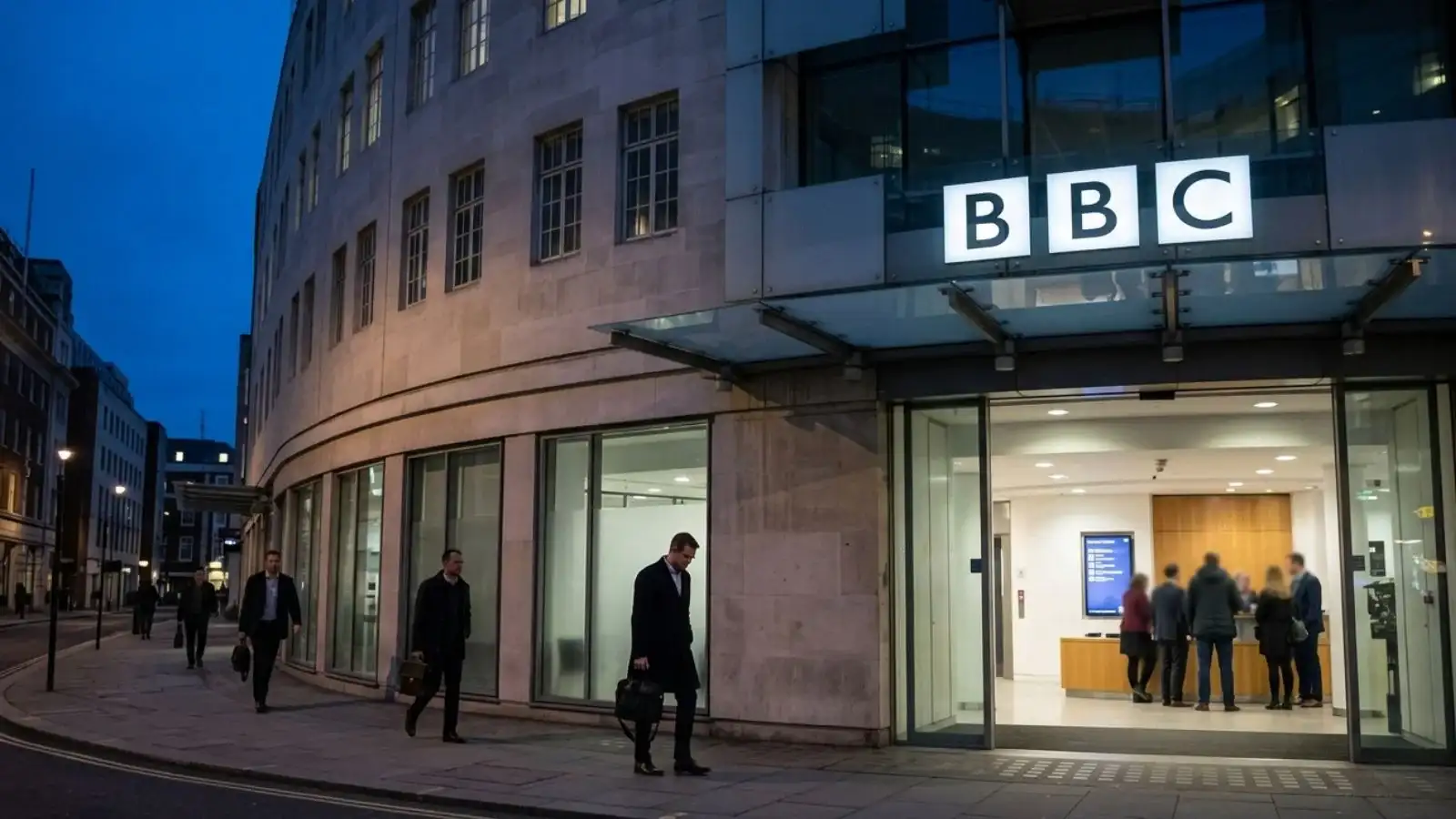
The British Broadcasting Corporation (BBC) has announced plans to cut 2,000 jobs over the next two years—about 10 percent of its total workforce. The company gave this information during a staff meeting held on April 15; This is being considered as the biggest round of layoffs in the organization in the last 15 years.
Following the announcement during a call with staff on Wednesday, interim director-general Rhodri Talfan Davis said, “I know this will create uncertainty, but we wanted to be candid about the challenges we face.” He explained that this reduction in staff is being done amidst rising inflation, pressure on earnings from license fees, weak commercial earnings and economic turmoil spread across the world.
Why are there layoffs in BBC?
The BBC’s move is part of an effort to save £500 million ($677 million)—about 10 percent of its annual budget. The company has previously warned that it is facing severe financial pressure and is now working to reduce its budget by almost a tenth by 2029. Most of the job cuts are expected to begin April 1, 2027.
This cost-cutting move comes at a time when former Google executive Matt Brittin is set to take over as director-general next month. Brittin will replace Tim Davey. The BBC is also currently facing a $10 billion lawsuit filed by Donald Trump. Specifically, Trump alleges that his speech given on January 6, 2021, in the BBC documentary *Trump: A Second Chance* was edited in such a way that it appeared as if he was inciting his supporters to violence.
Other challenges facing BBC
The BBC is one of Britain’s most famous and most talked about institutions. It is funded primarily by the annual television license fee. Recently, the license fee for households watching live television or BBC programs has increased to £180 ($244). As a result, around 300,000 households have stopped paying license fees in the past one year. This has affected the BBC’s earnings. Additionally, TV viewership has declined due to the increasing popularity of streaming platforms like Netflix and Disney. Along with this, the cost of creating content has also increased. To avoid mandatory layoffs, BBC may soon launch a voluntary layoff or voluntary retirement plan.