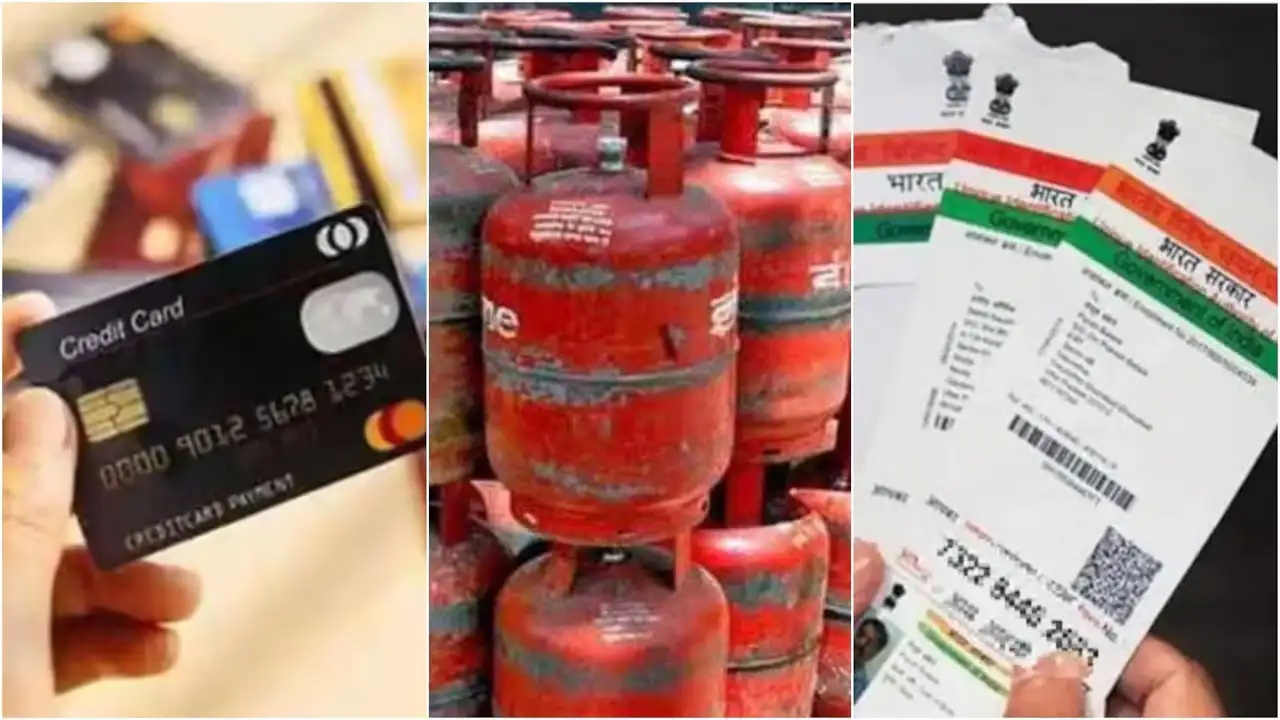
Many major changes are being implemented across the country, which are having a direct impact on the wallet and daily life of the common man. From this month, new rules are being implemented on everything from prices of petrol, diesel and LPG to Aadhar, Railways, Passport, Credit Card and vehicle expenses. It is important to understand these changes in advance to avoid any problems or additional expenses.
**Restrictions on the sale of petrol and diesel are being removed**
Due to the crisis in West Asia, the government had imposed temporary restrictions on the sale of petrol and diesel on June 12. Under this measure, a limit of 200 liters of diesel per customer or per vehicle per day was set at retail pumps. Additionally, large-scale fuel users – such as industries and businesses – were instructed to purchase fuel from fixed consumer pumps rather than retail outlets. This step was taken to prevent hoarding and black marketing. On 29 June, the Ministry of Petroleum and Natural Gas issued an order to lift these restrictions from 1 July. The ministry said that after reviewing the supply situation, it was found that these measures are no longer required. As a result, the 200 liter diesel limit is being removed, and large consumers will once again be able to purchase fuel through normal means. According to the ministry, the removal of these restrictions indicates improvement in supply and normalization of the situation.
**The prices of LPG, CNG and ATF may also change**
Oil companies review gas and fuel prices on the first of every month. Accordingly, the prices of commercial LPG cylinders, CNG, PNG and Aviation Turbine Fuel (ATF) may increase or decrease on July 1. Since domestic LPG cylinder prices have remained stable for the last few months, this time too all eyes will be on the new rates.
**Updating email in Aadhaar is now free**
Unique Identification Authority of India (UIDAI) has given great relief to the people. Adding or updating email ID in Aadhaar is now free. Earlier a fee of ₹75 was charged for this service, but from July 1 to December 31, this facility will be completely free. This discount will be available only through the new Aadhaar mobile app. If you update your email by any other means, full charges will apply. Apart from this, the old mAadhaar app is being discontinued and replaced with a new Aadhaar app, which has better security and easy-to-use features.
**Now making passport has become expensive**
The Ministry of External Affairs has increased the passport fees. This change has been made under the Passport Amendment Rules, 2026, issued on June 20 and will come into effect from July 1. This is the first major change in passport fees in almost fourteen years. The fee for a standard 36-page passport has been increased from ₹1,500 to ₹2,500, while the ‘Tatkal’ fee for the same has been increased from ₹3,500 to ₹5,000. Similarly, the fee for a standard 60-page passport has been increased from ₹2,000 to ₹3,500, and the ‘Tatkal’ fee has been increased from ₹4,000 to ₹6,000. Higher charges will also be levied for re-issue of passport, replacement of lost or damaged passport, police clearance certificate and passport of minors. However, there has been no change in the period of validity of the passport; Adult passports will remain valid for ten years as before.
**Travelling without ticket will now be expensive**
From July 1, the minimum fine for traveling without a ticket or without a valid ticket will be increased from ₹250 to ₹500. This change has been made in Section 137 and 138 of the Railway Act, 1989 under the ‘Public Confidence (Amendment) Act, 2026’. Railways says that this step has been taken to stop ticketless travel and to tighten ticket checking. The maximum penalty that can be imposed by the court remains the same, which may include imprisonment of up to six months, a fine of ₹1,000 or both.
**Change in credit card rules also**
SBI Cards is changing the reward point rules for select PhonePe SBI credit cards from July 1, which will impact some cardholders. At the same time, the rules of HDFC Bank’s Regalia Gold Credit Card are also changing. To avail the free domestic airport lounge facility on this card, users will now have to spend at least ₹60,000 in the previous quarter; That is, those who are using the card for travel benefits will now have to fulfill this special condition.
**Buying a car will also become expensive**
The beginning of July can be expensive for people planning to buy a new car. Tata Motors is increasing the prices of its petrol, diesel and electric vehicles by 1.5% from July 1. The company is also increasing the prices of its commercial vehicles by 2.5%. Apart from this, Kia India is also increasing the prices of all its vehicles by 2% from July 1. Both the companies have attributed the increase in prices to rising costs of raw materials and inflation.
**An important thing related to income tax return**
At many places it is being said that there are changes in the rules of Income Tax Return (ITR) from July 1, but this is wrong. There is no change in any rules or deadlines related to income tax returns from July 1. The process of filing returns for assessment year 2026-27 is already underway. For salaried people and taxpayers who do not require audit, the last date is July 31. For businesses that are not required to be audited, the last date is August 31, while for businesses that are required to be audited, this date is October 31. Therefore, do not delay in filing your return to avoid penalties and hassle.
**New rule for those having LPG and PNG connections**
The government had set a deadline of 90 days for customers who have both LPG cylinders and piped natural gas (PNG) connections. This deadline is ending on June 30 and such customers were advised to switch to PNG. Although this rule may come into effect on the ground from July 1, it is important to note that there has been no official announcement regarding immediate stoppage of gas supply to both the connection holders. So, there is no need to panic; It is advisable to update your connection timely. Overall, many small and big changes are being implemented simultaneously from July 1. Some of these may increase your financial burden, while some may provide relief. In such a situation, it is best to be aware of these rules in advance and complete the necessary work on time.