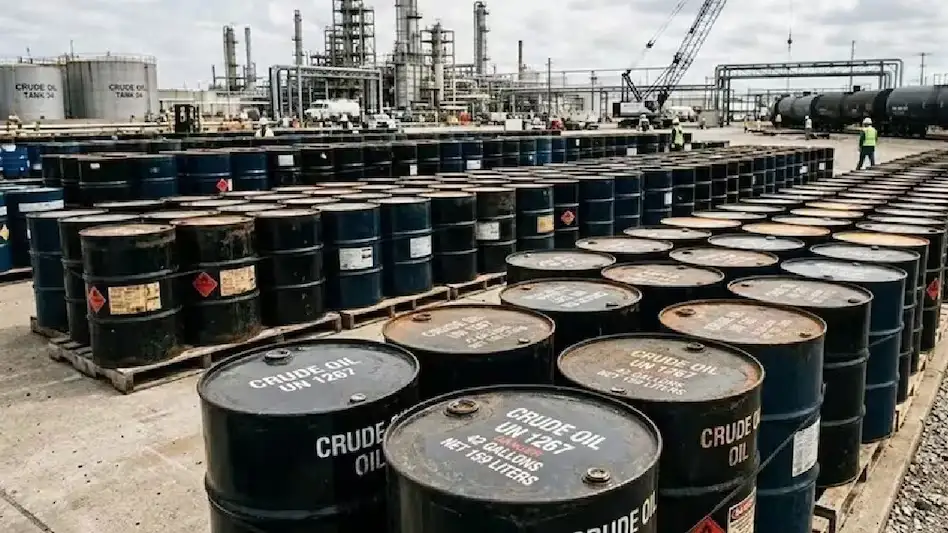
Due to the increasing tension between US-Iran, there has been a rise in the prices of crude oil in the international market, the direct effect of which is being seen on the fuel markets around the world. India has also not remained untouched by this global boom and new rates of petrol and diesel have been implemented from May 15 (Friday).
According to sources, increasing geopolitical tensions in the Middle East have increased uncertainty over oil supplies, leading to a surge in the prices of Brent crude and other international benchmarks. For this reason, Indian oil companies have also revised domestic fuel prices.
After the implementation of the new prices, a slight increase in the prices of petrol and diesel has been recorded in many cities of the country. However, this increase varies from state to state depending on the tax structure and transportation costs.
Energy experts say that the direct impact of fluctuations in crude oil prices in the international market is quickly visible on import-dependent countries like India. India imports a large part of its requirement, so in case of global tension it is natural for domestic prices to be affected.
According to oil companies, to maintain transparency in pricing, a market-based automatic price mechanism is implemented, which takes into account international crude prices and currency exchange rates.
Here, there is concern among common consumers regarding the change in fuel prices. People dependent on transport, logistics and daily commute say that ever-rising prices are putting pressure on their budgets.
Economists believe that if global tensions continue for a long time, there may be more volatility in oil prices in the coming days. This may also affect inflation rate and transportation costs.
At present, the market’s eyes are fixed on international diplomatic developments and decisions related to oil production, as these will decide the direction of fuel prices in the coming days.