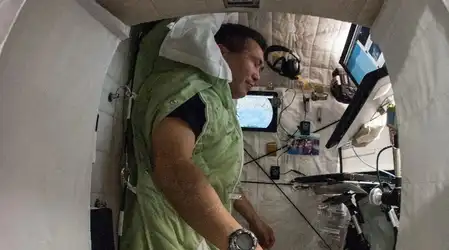
New Delhi, March 14 (IANS). Getting sleep in space is a big challenge. Astronauts see sunrise and sunset every 90 minutes on the International Space Station (ISS). This disrupts their circadian rhythm, or natural clock, leading to sleep deprivation, fatigue, and an increased risk of making serious mistakes.
In such a situation, the American space agency NASA follows some easy solutions in space, these methods are derived from the challenges of space, but by adopting them on Earth too, one can get better sleep, faster reaction and a healthy life.
NASA flight surgeons and scientists recommend astronauts to follow 7 such methods, which can help in getting better sleep not only in space but also for those doing shift work, struggling with jet lag or common people on Earth. Lack of sleep can lead to metabolic disorders, heart diseases, digestive disorders and even some serious diseases, so these methods are useful for everyone.
According to NASA, these seven methods have proven effective in balancing circadian rhythms and increasing sleep quality.
Set a bedtime and wake-up time: The most effective way is to sleep and wake up at the same time every day. Preparing the body for change in advance reduces insomnia and fatigue. Include information about lighting, exercise, diet, and sleep medications if needed in the schedule.
Sleep education and training: Knowledge of factors that affect sleep is important. Reduce blue light from digital screens in the evening. Exercise at the right time and choose food wisely. These habits prevent circadian rhythms from being disrupted and promote healthy sleep.
Create a better environment for sleep: A quiet, dark and cool room is best for sleep. The space uses private sleeping rooms, eye masks, ear plugs and anti-swimming devices. Also reduce noise on Earth, keep the temperature at 18-22 degrees and choose comfortable bedding.
Use lighting wisely: Solid-state lighting on the ISS creates the illusion of day and night by changing the color and intensity of light. Bright light in the morning increases alertness, dim light in the evening and blue light reduces sleep. Even at home, get sunlight in the morning and reduce screen time in the evening.
Take over-the-counter medications: Using melatonin (a natural hormone) or caffeine as directed by your doctor can help regulate circadian rhythms. Melatonin is effective in inducing sleep at unusual times.
Try sleep cognitive behavioral therapy (CBT): CBT techniques are very useful for eliminating disturbing thoughts that come to mind before sleeping. These help with coping with the day’s events, relaxation, sleep hygiene and building good habits.
Use of medicines if needed: If other methods do not work, chronobiological, hypnotic or alertness enhancing medicines can be used, but do not take them without doctor’s advice so that they remain safe and effective.
–IANS
MT/VC