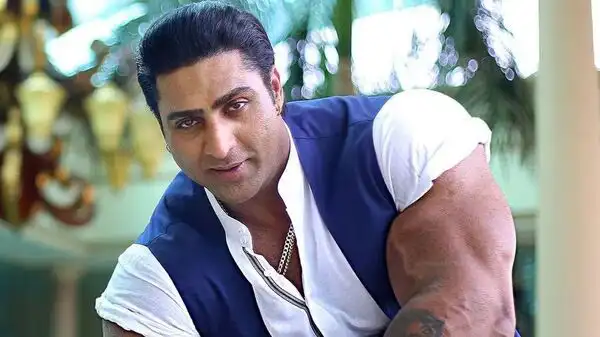
Professional bodybuilder and actor Varinder Singh Ghuman died of a heart attack on Thursday. He was quite popular on social media and was considered to be India’s first vegetarian bodybuilder. He had also appeared in films with Salman Khan.
Fitness influencer and content creator Rubal Dhankhar took to his Instagram story to reveal that Varinder Singh Ghuman suffered a heart attack during shoulder surgery. When Aajtak.in spoke to Ruble, she said, “Varinder Ghuman is my senior and I used to talk to him often. I and Varinder are the same managers. He had injured his shoulder and was undergoing surgery at a hospital in Amritsar. He suffered two heart attacks during the surgery. The first one was treated, but his condition deteriorated during the second one.”
When someone has surgery, most people assume the real risk is the surgery itself, but sometimes the biggest risk is a heart attack. There have been many cases where people suffered heart attacks and died during surgery. This incident has raised an important question: Why does the risk of heart attack increase during surgery and can it be prevented? Aaj Tak.in tried to find out why this happens by talking to cardiologists.
Why is there a risk of heart attack during surgery?
According to research published in the journal Anesthesiology, more than 8 million adults worldwide suffer heart attacks after surgery every year, and 10 percent of them die within 30 days. Researchers say that 85 percent of these heart attacks go undetected due to lack of symptoms.
Dr Amar Singhal, director of interventional clinical and critical cardiology and electrophysiology at Delhi-based Shri Balaji Action Medical Institute, told Aajtak.in, “There can be many reasons for a heart attack during any surgery. Surgery puts a lot of physical and mental stress on the body, which increases the pressure on the heart. Anesthesia and painkillers during surgery can increase the heart rate, Can affect blood pressure and oxygen levels.
If the patient already has any heart problem like high blood pressure or diabetes, the risk further increases. Sometimes, bodybuilders and generally fit individuals also have extra stress on their heart muscles, especially if they have taken supplements or steroids for a long period of time. In such cases, it becomes difficult for the heart to withstand the surgery.
A complete cardiac examination of the patient is necessary before any surgery. Monitoring during and after surgery is important to immediately detect any sudden changes in blood pressure, oxygen levels and heart rate.
Older age may also be a factor
Dr. Mukesh Goyal, Senior Consultant in Heart and Lung Transplant Surgery Dr. Rabindra Nath Tagore, Department of Cardiothoracic and Cardiovascular Surgery, Apollo Hospitals, Delhi, told Aaj Tak.in, “The risk of a heart attack during surgery is generally low, but in patients with other risk factors such as high blood pressure, smoking, obesity or older age, in addition to cardiovascular problems, The risk increases. Medically, the most important step is observation before surgery. This usually includes an ECG, echocardiogram, stress test (if necessary) and a review of the patient’s history.” If any red marks appear, surgery may be stopped or postponed, and additional precautions may be taken.”
Understand the risk of heart attack during surgery in detail
Surgical Stress:
During surgery, the body undergoes intense physical and emotional stress. This increases the production of stress hormones such as adrenaline and cortisol, which increases heart rate and blood pressure. The heart has to work harder to pump blood, and if it’s already weak or the arteries are blocked, this extra stress can cause a heart attack.
Anesthesia and medications:
Some anesthetic medications can lower blood pressure or affect the heart rhythm, reducing blood flow to the heart muscle, which can lead to a heart attack.
Blood loss and lack of oxygen:
During surgery, the heart may have to work harder due to excessive blood loss or changes in oxygen levels, increasing the risk of heart attack due to lack of oxygen in the heart tissue.
Formation of blood clots:
In some cases, surgery can cause blood clots to form in blood vessels, disrupting the blood supply to the heart, which can lead to a heart attack.
Is your heart ready for non-cardiac surgery?
Many surgeries are completely safe, but they still carry risks. Organizations such as the American College of Cardiology (ACC) and the American Heart Association (AHA) regularly issue guidelines to help doctors determine whether a person is ready for surgery other than heart surgery.
The American College of Cardiology says, “Most patients who need surgery should have an initial evaluation with a specialist. If your doctor sees a problem or finds an increased risk factor for existing heart disease, he or she should refer the patient to a cardiologist. If your heart is at risk, your doctor will probably order an electrocardiogram (ECG), which measures your heart’s electrical activity. The waves and signals are examined closely.”
‘If you have a known heart problem, such as coronary artery disease (CAD), heart valve disease or congestive heart failure, or if you notice new symptoms that may indicate heart disease, your doctor should refer you to a cardiologist for further testing.’