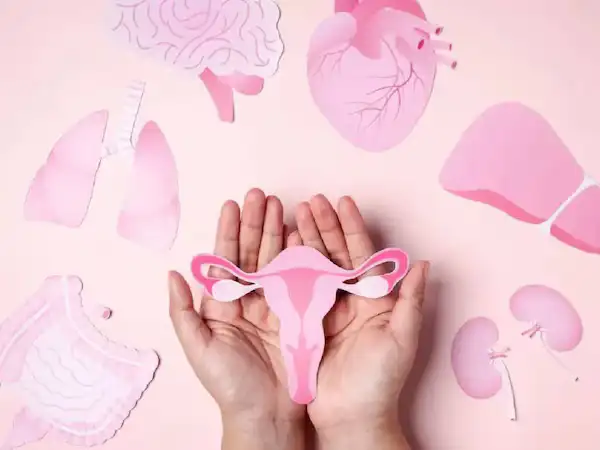
Polycystic Ovary Syndrome (PCOS), a complex health problem that is rapidly increasing in women, has become a matter of great concern today. This disease not only causes hormonal imbalance but also has a deep impact on the physical and mental health of women. According to experts, its symptoms increase gradually and many times women ignore it for a long time considering it to be a normal problem.
What are its main symptoms?
Many types of symptoms are seen in women affected by PCOS. The most common symptoms include abdominal pain, rapid weight gain, growth of unwanted hair on the face and body, and missing periods for months. In some cases, the problem of acne and hair fall is also seen on the skin.
Doctors say that it is not just a reproductive problem but also a metabolic disorder that affects multiple systems of the body. If not identified on time, it can later cause problems like diabetes, heart disease and infertility.
Impact on women’s mental health
The effect of this disease is not limited to the body only. Continuous weight gain, hormonal changes and irregularity of periods also affect the self-confidence and mental health of women. Many women face conditions like anxiety, stress and depression.
Why is there discussion of change in name and understanding?
In recent years, a new understanding of PCOS has developed among medical experts. Earlier it was seen only as “Ovarian Cyst Problem”, but now it is considered to be a complex hormonal and metabolic syndrome.
Experts believe that PCOS is not a single disease but a group of symptoms, hence its definition and terminology are constantly being discussed to understand it better. Some medical research has also talked about understanding it as a “reproductive metabolic disorder” so that its widespread effects can be accurately reflected.
Importance of treatment and lifestyle
According to doctors, there is no permanent cure for PCOS, but it can be controlled. The most important thing for this is change in lifestyle. A balanced diet, regular exercise, weight control and reducing stress play an important role in its management.
In many cases, doctors also advise to balance hormones through medicines. If identified in the early stages, this disease can be controlled to a great extent.