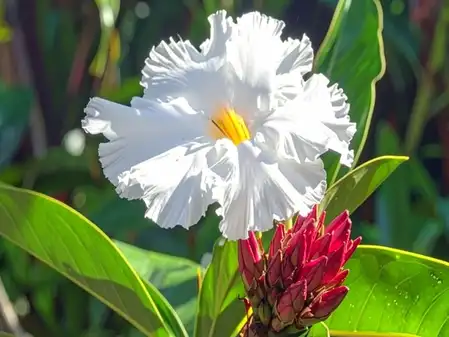
New Delhi, February 18 (IANS). In Ayurveda, even the most serious diseases have been treated with rare herbs for centuries. There are many medicines in Ayurveda which act as medicines for physical weakness and joints.
One such medicine is Kevakand, the root, stem and leaves of whose plant are also full of properties. Wild ginger is also known as Kevkand, Kemua and Kemuk and it is easily available in India and abroad too, but very few people know about its miraculous properties.
Although the flowers and leaves of Kevakand have been used in Ayurveda, its tuber (wild ginger) or root is beneficial in many diseases. In Ayurveda, its tuber is considered to balance Vata and Kapha dosha. Vegetables and soups are also prepared and consumed from its tubers and it is consumed more in winter because its nature is very hot.
If there is a problem of kidney stones or the ability of kidney to function has reduced, then decoction of wild ginger is useful. Consuming its decoction reduces the problem of frequent burning sensation during urination or dribbling of urine and also reduces the risk of infection. Apart from this, wild ginger powder is also easily available in the market, consumption of which provides relief from body swelling and arthritis pain.
If chutney is made by roasting wild ginger and adding sugar and tamarind to it, then its consumption is considered beneficial in dysentery, diarrhea and other digestive problems. Along with this, the problem of stomach worms is seen more especially in children. In such a situation, giving wild ginger juice mixed with honey to children will provide relief and the digestive system will also function properly.
Diabetic patients can also consume wild ginger. A decoction of wild ginger can be drunk and its leaves can also be used. However, before consuming wild ginger, please consult a doctor once. While there are benefits of using Kevkand, there are also some disadvantages.
Kevakand has a hot nature, which can cause heat and burning sensation in the body, hence its excessive consumption should be avoided. Additionally, pregnant women should not consume it. Be sure to consult an Ayurvedic doctor before using it for any serious illness, diabetes, or kidney disease.
–IANS
PS/AS