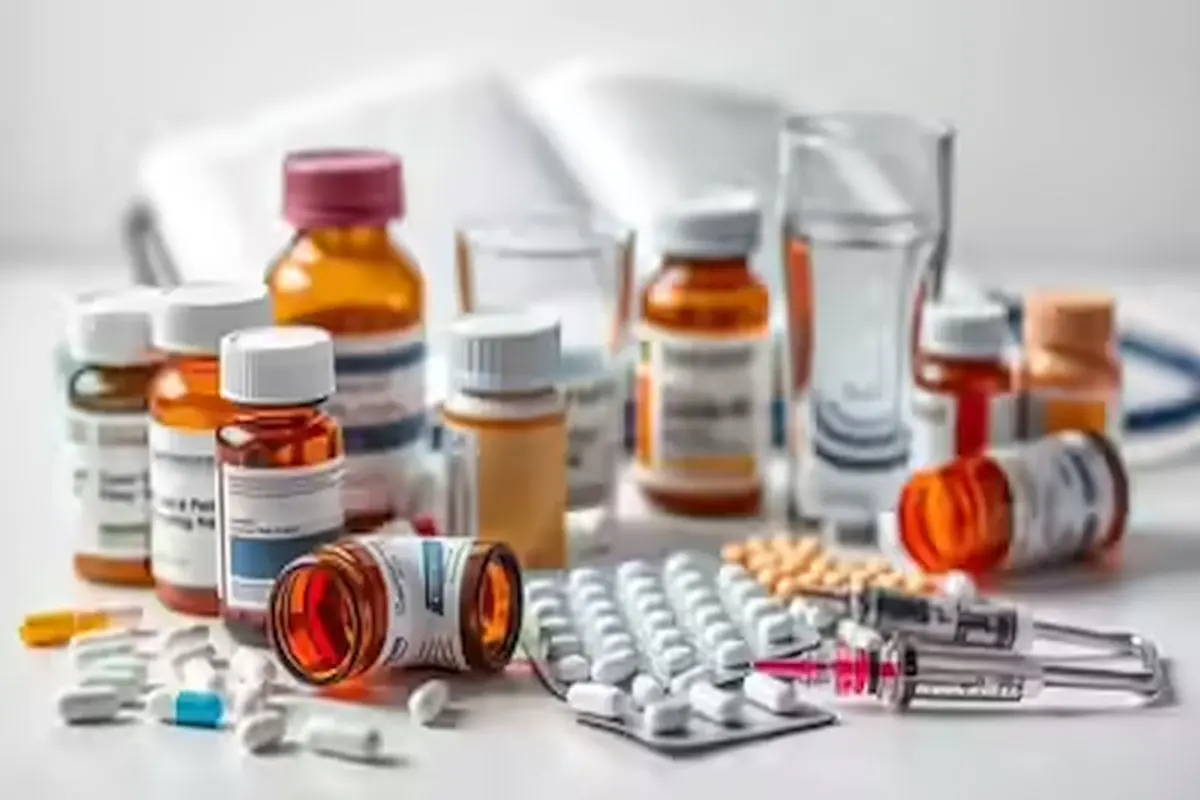
It is mandatory for manufacturer and marketing companies selling medicines, formulations and medical devices to modify the maximum retail price (MRP) and release the revised price list dealers and retailers. So that rate cuts can be implemented under GST 2.0. However, the ministry clarified that the recall, re-labeling or re-stickering of the previous stocks is not necessary if they were released in the market before 22 September.
The ministry for the insurance sector said that GST exemption will be given on personal health and life insurance policies, but not on group policies. Additionally, reintegration services will be free from the scope of GST. On behalf of the Ministry, it also said that insurance companies will not be able to claim input tax credit (ITC) on GST on input services like commission on personal health and life insurance policies from 22 September.
Currently the insurers are taking advantage of ITC on many inputs and input services such as commissions, brokerages and reinuously. The reinsure services of input services will now be free from GST, while other inputs such as commissions and brokerej ITCs will be revealed, as output services will be discounted. Reincore services serve insurance for insurance companies, allowing them to transfer part of their risk to another company and get protection from potential damage.
The GST Council in its 56th meeting on 3 September decided that the premium paid on personal health and life insurance policies would be exempt from GST from 22 September, while currently the rate is 18 percent. On other services such as beauty and physical well-building services, the Ministry said that 5 percent GST is compulsory without ITC. Service providers do not have the option to charge 18 percent GST and get ITC on these services.
For guest services, the ministry clarified that hotels where housing of Rs 7,500 or less per unit is provided per unit will not be able to avail ITC on these units, as GST rate is compulsory without 5 percent ITC. The option of 18 percent GST is not allowed for such units.
Local delivery services will cost 18 percent GST. If the service provider is registered then the payment will be its responsibility and if the service provider is not registered then the ECO (Electronic Commerce Operator) will be responsible. E-commerce platforms such as Zomato, Swiggy and Quick Commerce companies such as BLINKIT, Zepto, 18 percent GST will be applicable on delivery fee from 22 September. Previously, these platforms said that they only collect delivery fees and do not consider it part of their revenue, so they should not be given GST.
Tax experts say that the FAQs issued by the government will make the infection easier with minimal disintegration and future controversies. Rahul Shekhar, Partner – Indirect Tax, Nangia Andersen LLP said, “FAQs often address upcoming problems, such as MRP modification for existing drug stock, where discounts or discount rates apply, manage ITC, and some other points.”
For hotels, beauty and physical well-bragging services, Shekhar said that service providers cannot choose ITC with high rates. “The government wants the end customers to take maximum benefits from these changes, so dual rate structure has not been allowed for these industries.”