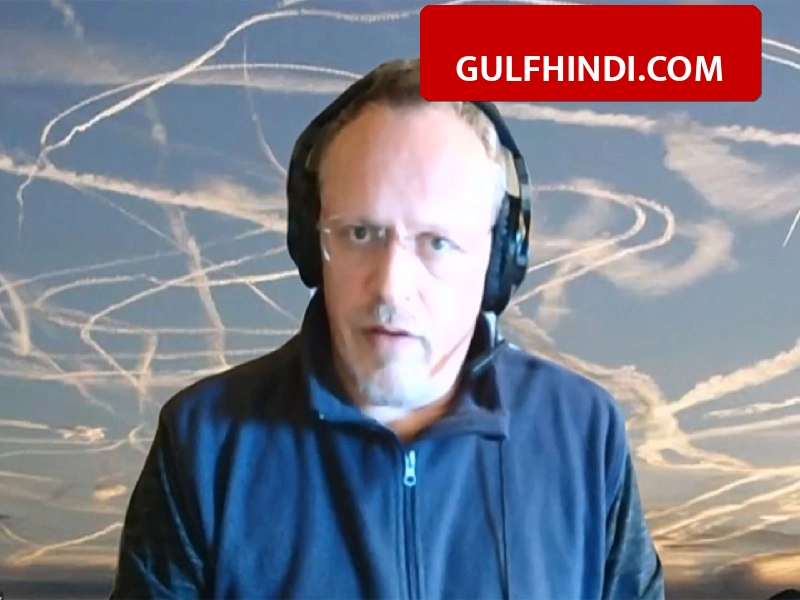
Aerial warfare analyst and historian Tom Cooper has strongly criticized the attacks on Iran’s South Pars gas field. In an interview, he said that attacking Iran’s gas fields was not a wise decision as it could trigger retaliatory attacks on Qatar’s energy facilities. According to Cooper, any kind of attack on Qatar’s gas infrastructure can create trouble for the whole world.
What will be the damage caused by the attack on Qatar’s gas plant?
Iran and Qatar share the world’s largest natural gas reserves known as the South Pars and North fields. There have been reports of damage to Qatar’s Ras Laffan gas complex during the recent tensions. This has reduced Qatar’s LNG export capacity by 17%. If this situation continues for a long time, Qatar may suffer a revenue loss of $20 billion annually. Experts believe that Iran has the full capability to retaliate due to its deeply buried infrastructure.
What impact will this have on India and the world?
India is heavily dependent on Qatar for its natural gas and fertilizer needs. Any disruption in supplies from Qatar will affect India’s agriculture and energy sectors. Due to shortage of gas in the global market, electricity prices may increase in many countries of Europe and Asia. Iran has clearly warned that if its oil and gas targets are targeted again, it will give a strong response. Refineries in other Gulf countries like Kuwait and UAE also remain at risk of attack.
What are the main reasons for increased stress?
In mid-March 2026, Israel attacked Iran’s oil and gas facilities. In response, Iran targeted energy infrastructure in Gulf countries, including Qatar’s Ras Laffan plant. The Prime Minister of Qatar has condemned these attacks, saying that this is causing great harm to the general public and global energy security. At present, America has also warned Iran not to attack Qatar’s plant.