US Visa: Indians facing problems due to 221(g) refusal and social media scrutiny
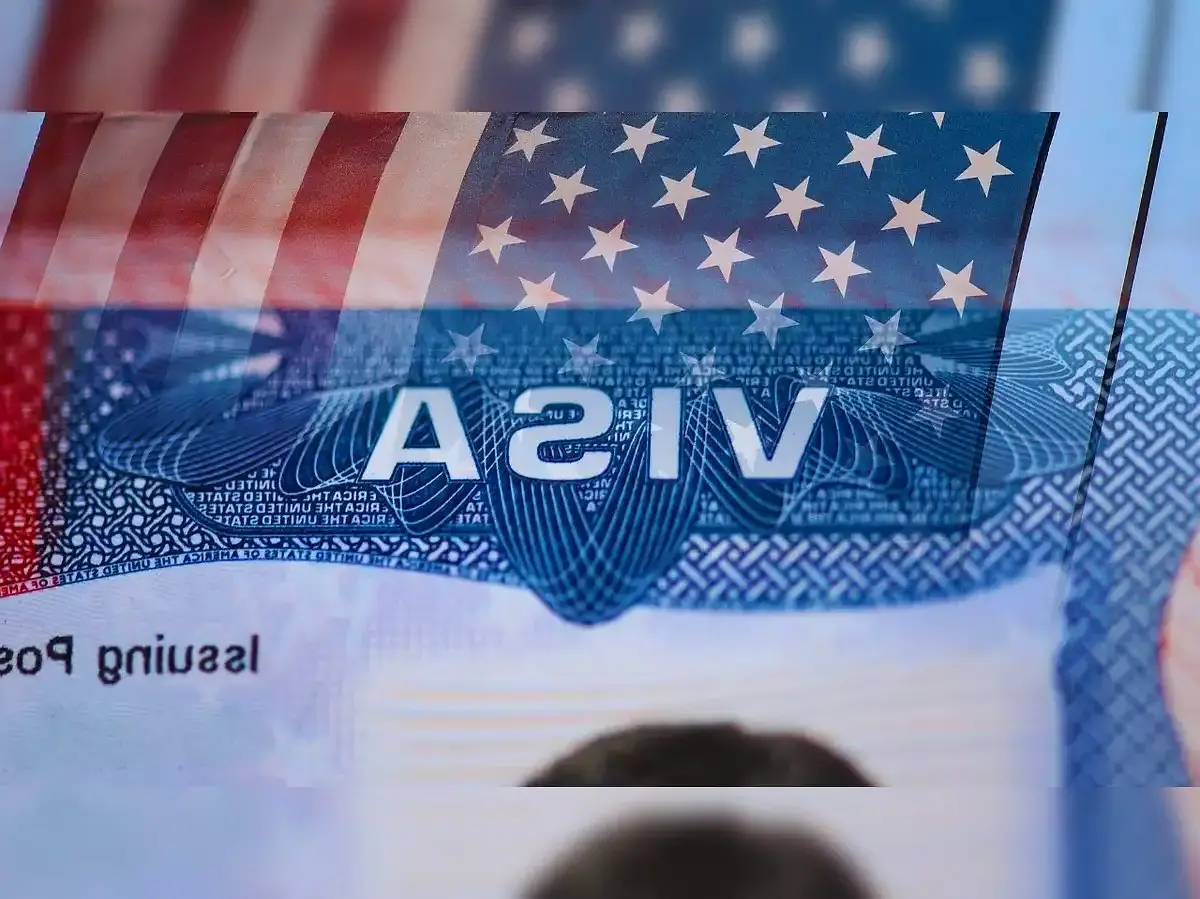
Indians are facing more problems than ever before in applying for US visa. Especially the number of temporary 221(g) notices has increased a lot. This is happening because of the mandatory verification of social media and strict background check, which came into effect from January 2025. In terms of H-1B visas, Indians account for more than 70% of the visas worldwide, and now they are the most affected by this stricture.
Applicants are often required to provide additional documents that were not previously asked for. These include old police records, toxicology reports or screenshots of decades-old social media posts. This is happening even with people who have valid documents or who have taken visas multiple times before.
What is 221(g) refusal and why are cases increasing?
Section 221(g) of the US Immigration and Nationality Act means that your visa application has been temporarily put on hold. This is so that consular officers can verify all the information and conduct background checks before making a decision.
Although receiving 221(g) notices for H-1B or student visa (F1) applications is not a new thing. But immigration experts say that now even such applications are being put on hold which did not previously require 221(g). Murthy Law Firm attorney Joel Yanovich said the rate of 221(g) notices appears to be high. People are facing more delays even after appointments. Starting in May 2025, two new categories of 221(g) refusals have emerged under the Trump administration that were not seen before. Among these, applicants with decade-old arrest records are also getting 221(g), even though they have got visa stamping done many times before.
Xiao Wang, founder of Boundless Immigration, said that many applicants are also getting ‘prudentially revoked’ emails, without any explanation. Biometric requests for H-1B visa have also increased, which was not there before.
Why did checking of social media and old records become a problem?
Checking social media profiles has been made mandatory from January 2025 onwards. This rule applies mostly to non-immigrant visas, such as H-1B, student (F1), L-1, and B-category visas. Consular officials are checking the public social media activity of applicants to see if there are any inconsistencies.
Gnanamookan Senthurjothi, founder of Visa Code, explained that old records, such as arrest records dating back a decade, are now triggering 221(g). Even those who have valid documents, their visas are being canceled and they are being given 221(g) for further processing. Because of this hundreds of Indians are stranded in India. Applicants are being asked to submit toxicology report, police records and other relevant documents.
Which visa applicants are being most affected?
Indians are one of the largest recipients of US visas. More than 70% of the total H-1B visas issued in FY24 went to Indians. Therefore, they are most affected by strict border controls.
H-1B Visa: As mentioned, over 70% of H-1B visa holders are Indians and they are the direct target of this new stricture. Student Visa (F1): The student visa refusal rate reached 41% in 2024, the highest in the last 10 years. This rate is further increased in 2025–2026 due to social media checks (which account for approximately 18% of refusals), immigration intent checks under Section 214(b), and digital footprint-related issues such as career conflicts or anti-US posts. Due to the limited number of seats and difficulties in the job market, enrollment has declined by approximately 75%.
How much delay is there in the visa process?
Visa applications are now taking longer to be evaluated, slowing down the entire process. Xiao Wang reported that appointments were largely canceled as early as December 2025. These appointments were initially rescheduled for March and April, but some were then pushed back to November.
This delay is of particular concern for the IT sector, which accounts for $280 billion in exports. Experts suggest that IT companies should now allow an additional 4-6 months for their US deployment.
contributing factors
Factor description Example from source Social media checking mandatory from January/June 2025; Checking for inconsistencies in public profiles. Decade-old tweets, critical posts risk visa cancellation/deportation. Background checks Deep checks on arrest records, biometrics for H-1B. Toxicology reports, police records sought after months. The broader trend is tightening in post-Trump policies; Expected to continue during the US election cycle. Mass biometric demand, slow evaluation process.
Immigration experts suggest that applicants should check their social media in advance, have all arrest-related documents ready, constantly update their information on the platform (such as India-centric content), and use tools for police certificate/status tracking. No changes to this policy have been announced at this time, making 221(g) the ‘new normal’.
Last Updated: 22 January 2026