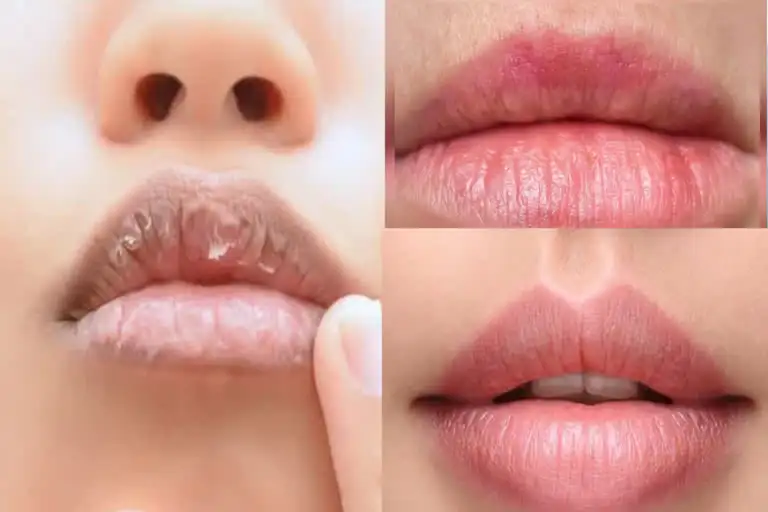
Every winter, most people suffer from chapped lips, and this problem persists throughout the season. But have you ever wondered why the lips suffer the most when the skin on other parts of the body also cracks or dries up in winter? What kind of logic is that? In this article we are telling you its reasons and ways to avoid it.
Why do lips crack in winter?
Dr. Luke Pauwels, Associate Clinical Director of Bupa Health Clinics in London, told the American health website ‘Live Science.com’ in an email that the answer lies in the special structure of the lips.
“The skin on your lips has a thinner protective layer than the rest of your facial skin, making them more sensitive to dehydration. The cellular layers of the skin on your face are six times thicker than those on your lips. Your lips also have fewer oil glands than other parts of the body,” she said.
He said that when the air outside becomes colder and less humid, and people turn on heaters in their homes and offices, the delicate skin of the lips becomes dehydrated due to constant exposure to dry air, causing them to crack, flake, and may even bleed.
Dehydration is also a reason
Apart from this, dehydration and habit of repeatedly licking lips further aggravates this problem. Without proper care and nutrition, lips not only crack but sometimes even start bleeding.
How to get rid of chapped lips?
To get relief from chapped lips, it is important to keep them constantly moisturized (hydrated).
Drink plenty of water throughout the day to keep your body hydrated from within. For external protection of lips, use natural products instead of chemical products. Applying pure ghee, cream, or coconut oil on your lips before sleeping is a sure-fire solution to heal them overnight.
Also, cover your lips with a scarf while going out to protect them from direct cold air. It is also beneficial to use a mild sugar and honey scrub to remove dead skin from your lips once or twice a month.
Most importantly, never pick at cracked skin on your lips with your teeth or nails, as this increases the risk of infection and scarring.