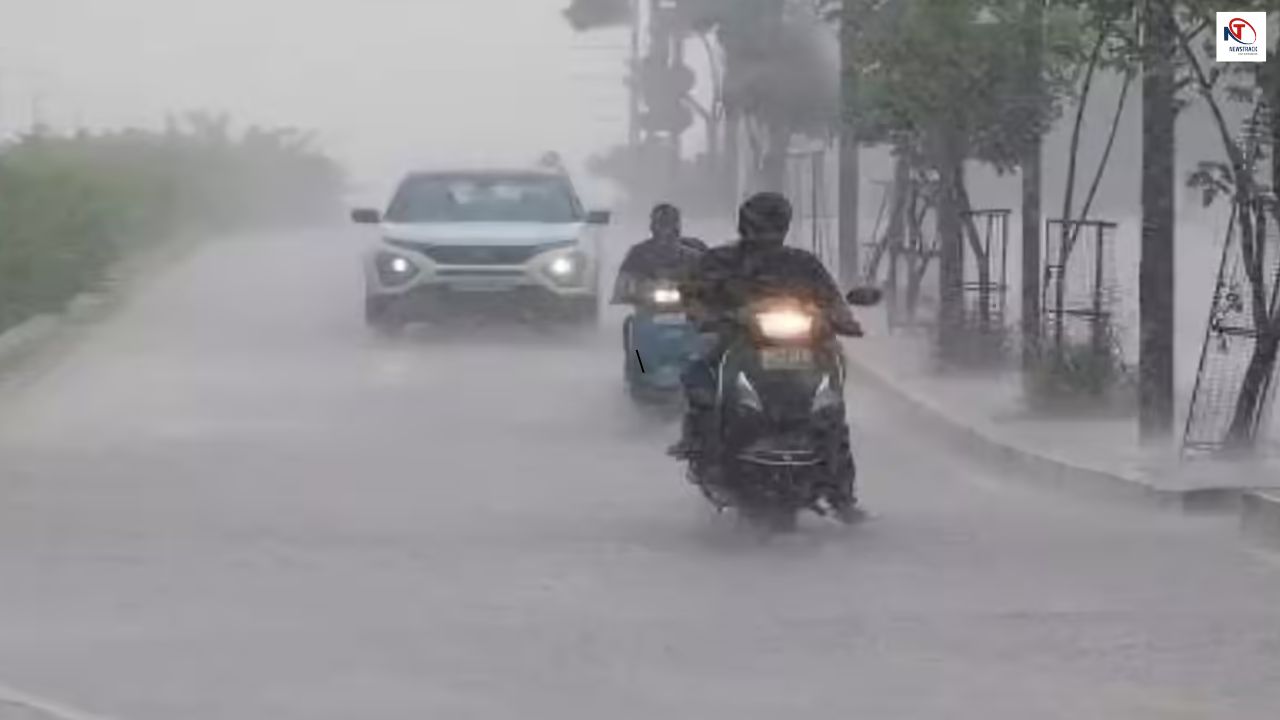
Jharkhand News: Amidst below normal rainfall in many areas of the country, the Central Government has intensified the ‘Catch the Rain – Where it Falls, When it Falls’ campaign. The aim of this campaign is to conserve rain water at the same place where it falls. The government believes that this will help in dealing with water shortage in future and improving the groundwater level.
Campaign running especially in Jharkhand
This time, less than normal rainfall has been recorded in many parts of Jharkhand. In view of this, work related to water conservation has been expedited in all the districts of the state. Many projects related to rain water harvesting and groundwater recharge are being run in urban and rural areas including Ranchi, Jamshedpur, Dhanbad. The government aims to utilize all possible rain water and prevent it from flowing wastefully.
Many works are being done under AMRUT 2.0
This campaign is also part of the Atal Mission for Rejuvenation and Urban Transformation (AMRUT 2.0). Under this scheme, works related to rain water harvesting, groundwater recharge and water management are being done in many cities of the country. The aim of these efforts is to better prepare cities for challenges like water scarcity and climate change.
Participation of 27 states and union territories
=According to the government, about 900 urban bodies (ULBs) from 27 states and union territories of the country are participating in this campaign. Different projects are being worked on to conserve rain water and improve ground water level in these areas. Apart from this, under Jal Shakti Abhiyan, a large number of groundwater recharge structures are also being constructed in many municipal corporations.
Recharge structures are being built to increase groundwater
Thousands of recharge pits, recharge borewells and other water conservation structures are being built in cities. Their objective is to channel rain water underground, so that the groundwater level can be improved. The government says that these projects will help in reducing water crisis in the coming years.
Successful models ready in many states
Different models of water conservation are being adopted in different states of the country. In West Bengal and Andhra Pradesh, rain water is being diverted to groundwater through recharge pits and borewells. Rainwater harvesting system on rooftops of houses has been developed in Arunachal Pradesh. In Chhattisgarh and Telangana, water conservation structures have been prepared even before the monsoon, so that maximum rain water can be conserved.
Rejuvenation of reservoirs is also being done
Under AMRUT 2.0, a large number of ponds and reservoirs are being rejuvenated across the country. These include works like removing silt, strengthening the banks, improving water inflow and outflow routes and green development. This will increase water storage capacity, improve ground water level and is also expected to provide relief from problems like floods in urban areas.
Green areas are also expanding
Along with water conservation, new parks and green areas are also being developed in cities. The aim of these projects is to improve the environment, reduce the impact of heat and provide better public spaces to the people. The government says that through the ‘Save rain water wherever it falls’ campaign, continuous work is being done to make water conservation a mass movement.