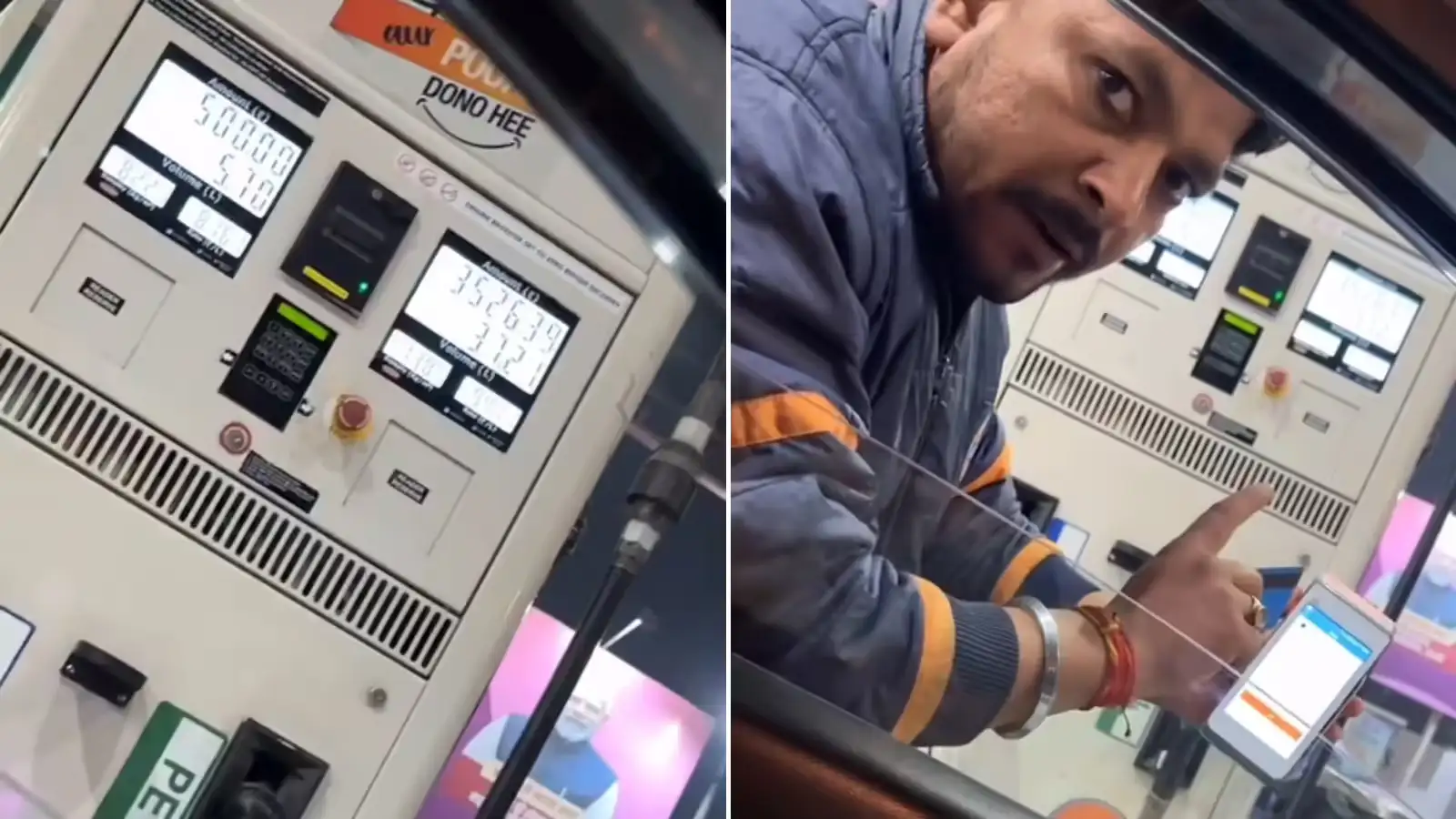
Complaints of fraud at petrol pumps are frequent. Most people complain that they do not get as much fuel as they pay for. Apart from this, there are frequent complaints of fuel adulteration. To avoid becoming a victim of such fraud, it is important to remain vigilant. However, pump employees are often caught doing wrong things – by soliciting customers or using other fraudulent means. Today, we will explain to you how fraud occurs in petrol pump machines and how you can identify such fraudulent activities.
**How does fraud happen?**
**Chip Method:** According to reports, pump employees often implant electronic chips into dispensing machines. It is controlled by remote; This chip ensures that the correct reading is shown on the meter display, but less fuel is actually consumed by the vehicle. The result is that the customer has to pay the full amount, but does not get the full quantity of petrol or diesel in return.
**”Zero” Scam:** This is the easiest and most common method of fraud at petrol pumps. In this method, the worker starts fueling without resetting the machine’s meter to zero. The result is that the previous customer’s readings get added to your bill, causing you to pay more money even though your vehicle didn’t actually use that much fuel.
**”Jump” trick:** This method of fraud is also very common. In this, the meter reading suddenly “jumps” forward. Specifically, the price display does not proceed sequentially (0, 2, 3, 4, 5…); Rather, it jumps to larger numbers – like 10, 20, or 30. The result is that even after taking the full amount, less fuel is available. In this approach, a customer who buys 10 liters of fuel may suffer a financial loss of about ₹100.
**What methods can be used to avoid fraud?**
* Whenever you are filling fuel at a petrol pump, get out of your car, approach the machine and keep a close eye on the meter reading.
* If an employee tries to distract you by talking, then keep a close eye on his actions and activities. If the machine suddenly jumps, check the oil level with the gauge shown on the display. If you suspect oil adulteration, request a filter paper test; If there is adulteration, a stain will be left on the paper.
If you suspect adulteration or any flaw in the gauge, you can lodge a complaint through the helpline, mobile app or website of the concerned company.