Mumbai, November 20 (IANS). India’s exports of man-made fiber and technical textiles are growing by 6.5 percent and 15 percent respectively in FY 2024-25. This shows that the textile sector of the country is developing rapidly. This information was given by Union Minister of State for Textiles and External Affairs Pabitra Margherita.
He further said that under the vision of Developed India 2047, our aim is to make the country’s textile exports worth $100 billion by 2030 and the country’s textile market worth $350 billion.
Also said that the demand in the global market is increasing rapidly and India is ready for a larger share in the international market.
India is succeeding in making its place globally through high-quality products and is emerging as a reliable partner for the world’s major textile importers.
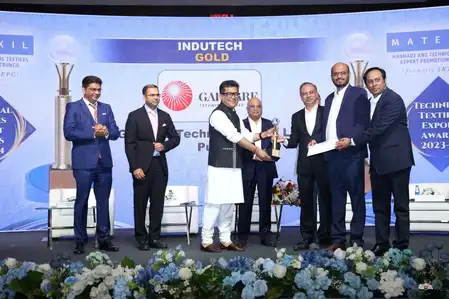
“Global demand for textiles is at an all-time high, and the world is rapidly shifting towards high-performance, functional and sustainable materials. India is responding to this change with strength,” Margherita said while addressing the Export Awards Function for 2023–24 and 2024–25 of the Manmade and Technical Textiles Export Promotion Council (MATEXIL) in Mumbai. And giving with confidence.”
Union Minister gave awards for export excellence in technical textile. About 80 best performers of this sector were honored in different categories.
Margherita said the celebration was not just about recognizing the winners, but also about recognizing every worker, engineer, designer, entrepreneur and exporter who drives the textile sector forward.
“Your work gives strength to millions of families and gives pride to our country,” he said.
According to the Union Minister, the country is at the forefront of the global transition towards man-made fibers and technical textile sustainable and advanced materials.
The Textile Ministry has implemented transformative initiatives such as the Production Linked Incentive (PLI) Scheme and the National Technical Textile Mission, which are enhancing capabilities at every stage of the value chain.
–IANS
abs/