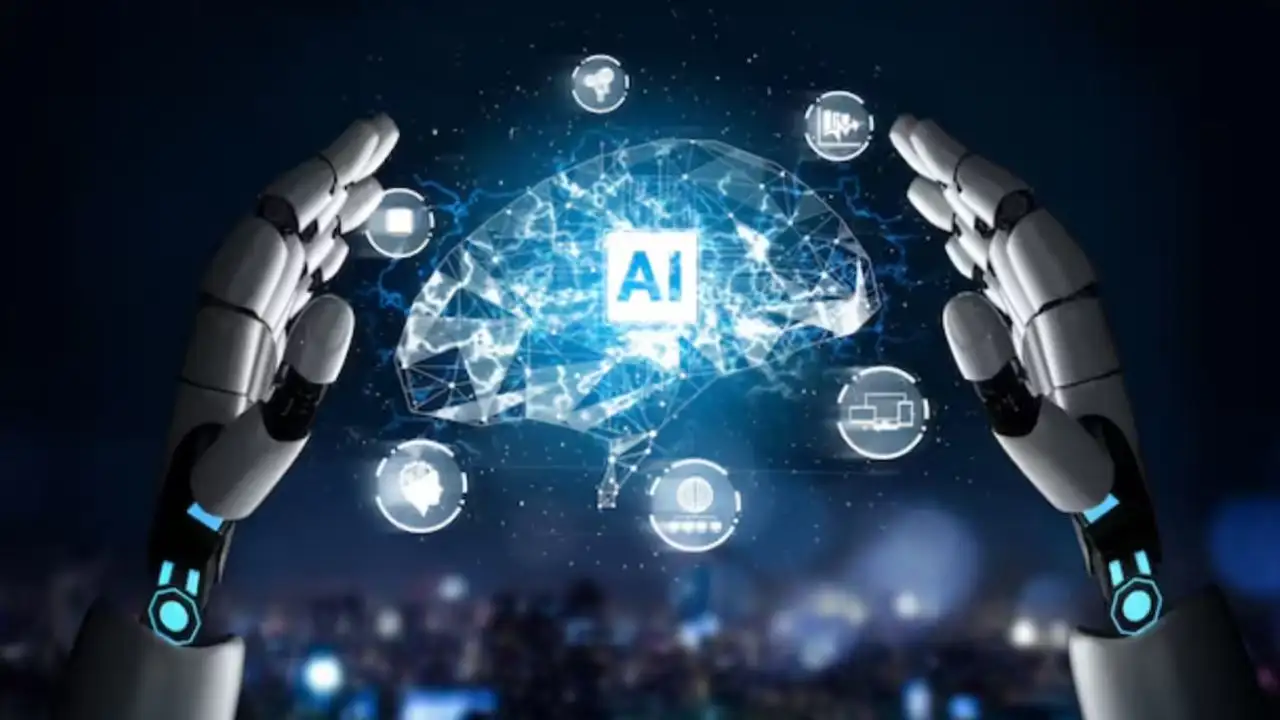
Artificial Intelligence is no longer limited to just offices, factories or machines. It is increasingly becoming a part of our everyday lives. Mustafa Suleiman, CEO of Microsoft AI and a well-known AI expert, believes that in the next five years, every human being will have his own personal AI companion who will understand him well.
AI will understand the user like a human
In a video shared on social media platform It will understand the user’s preferences, habits and thinking. He says that this AI will see what the user sees, hear what the user hears, and understand situations from the same perspective. According to him, this AI will feel like a constant companion or assistant that will help in major decisions and challenges of life.
Mixed reactions on social media
Suleman’s statement sparked debate on social media. Some called the idea a future revolution, while others dismissed it as an exaggerated claim. One user said that they do not want an AI that is bound by limitations, but a system that can express itself freely. Others felt that if it took five years, progress was too slow. Many users believe that this change will happen even sooner.
Suleman’s experience with Pi chatbot
Before joining Microsoft, Mustafa Suleiman co-founded Inflection AI, where he created a unique AI chatbot named Pi. Pi was introduced as an emotionally intelligent AI, designed to interact naturally with users and provide emotional support. It was different from other AI tools like ChatGPT because it focused more on human conversation rather than technical answers. The Pi quickly gained millions of daily active users, although a large portion of its team joined Microsoft in 2024.
Suleiman’s vision is human-centered AI
Suleman has long been advocating for an AI that works for the good of humanity. He believes that future super-advanced AI technology should be fully integrated with human values. He believes that it is very important to set the right limits and controls before giving freedom to AI, so that it can become a trustworthy partner for humans.