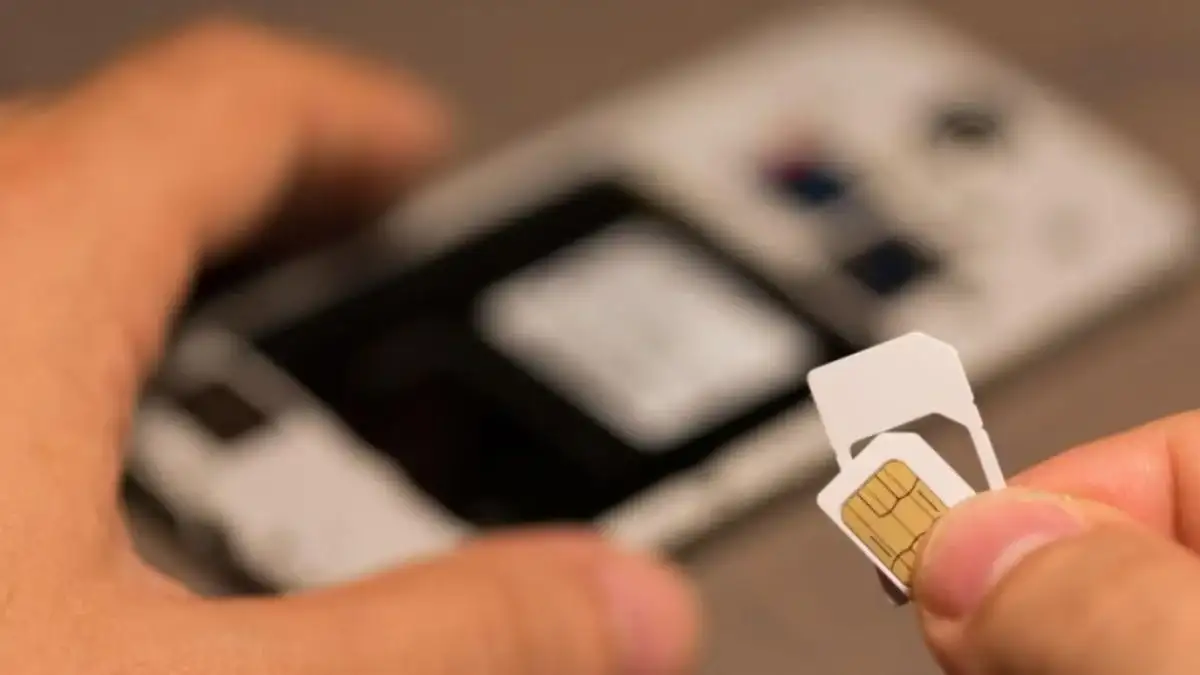
A recent directive from the Department of Telecommunications (DoT) has created a stir in the digital world. After this order, online messaging apps like WhatsApp, Telegram and Signal will not work on any device without an active SIM card. Experts believe that this step could be the beginning of greater control over OTT platforms. Tech companies had already raised concerns that the new Telecom Act 2023 could bring OTT apps under its ambit, although it was initially said that OTTs would not come under this law. However, the new order seems to confirm these fears.
Legal experts warn of misuse of power and raise questions on jurisdiction
According to a report by Indian Express, many legal experts are considering this as a misuse of DoT’s authority. According to Supreme Court lawyer Vrinda Bhandari, this decision is a direct regulation of messaging apps, whereas the authority over such apps has traditionally been with the Ministry of Electronics and Information Technology (MeitY). Another expert, Aishwarya Kaushik, believes that bringing any service that uses mobile numbers under the DoT’s cyber security framework is a major expansion of its powers. They argue that DoT’s authority should be limited only to protecting the genuine telecom identity.
Users will have to log in again every six hours
DoT has sent notices to WhatsApp, Telegram, Snapchat, Signal and other apps directing that the user’s SIM card should remain continuously linked to their account. This means that these apps will not work on devices without a SIM card. Web versions like WhatsApp Web will automatically log you out every six hours. Users will have to re-link using the QR code every time. This step is being touted as a measure to prevent digital fraud, but digital rights experts are considering it as a serious threat to user privacy.
Increased risks to users and serious technical challenges
Experts say that continuous SIM-binding can create the impression that any digital wrongdoing or fraud has been committed by the SIM card holder. This will impose additional legal burden on users. Additionally, SIM-binding for messaging apps is not an easy task to technically implement. According to Gartner analyst Apeksha Kaushik, this approach will definitely help prevent fraud, but if implemented incorrectly, it can create problems even for legitimate users. Legal basis of the Directive and new cyber rules
After the implementation of the Telecom Act 2023, DoT issued several new rules covering aspects such as internet shutdown, cyber security and legal monitoring. The Telecommunications (Telecom Cyber Security) Amendment Rules issued in 2025 paved the way for the mobile number validation platform, under which apps were directed to implement SIM-binding. However, the rules do not explicitly specify any strict condition like “continuous SIM-binding”.
Banking Apps vs Messaging Apps
In India, many banking apps, including SBI, use SIM-binding style security features, but they use device-binding, not actual SIM-binding. Experts say that DoT’s new order will act as a de-facto whitelist for messaging apps; Only those apps which fulfill these conditions will be able to work in India.
Telecom companies happy, tech companies worried
Telecom companies have welcomed this order. COAI described it as “a strong initiative implemented for the first time in the world” to prevent cyber fraud. On the other hand, Broadband India Forum, representing companies like Google and Meta, is raising serious concerns about this directive.
They are demanding to extend the implementation deadline, start an open public consultation process and create a new framework in collaboration with tech companies and security experts. They believe that this order will unnecessarily increase control and may harm user convenience and privacy.