
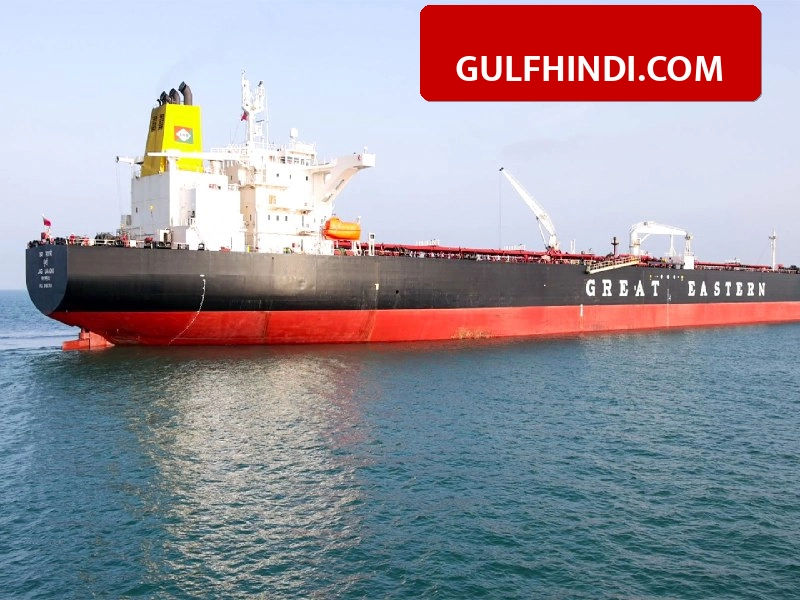
The government of South Korea is keeping a close eye on the changing situations in the Middle East. On March 21, 2026, the Korean Foreign Ministry informed that they are in constant touch with Iran and other concerned countries to normalize the sea route through the Strait of Hormuz as soon as possible. The blockage in this sea route is likely to have a direct impact on Korea’s energy imports and economy.
ℹ️: Hormuz Strait News: Oil route stuck amid war, 95% traffic reduced and 20% global supply at risk.
Efforts to make sea routes safe
According to South Korean officials, the government is considering all possible options to protect its citizens and restore energy transportation routes. The Strait of Hormuz handles more than 20 percent of the world’s oil trade. A large part of South Korea’s oil supply comes through this route, due to which restarting it has become a priority for Korean officials.
What is the stance of Iran and other countries
Iran has indicated that it is ready to give way to ships of some countries after negotiations. Iranian Foreign Minister Abbas Araghchi said they were willing to guarantee safe navigation for ships bound for Japan and other non-enemy countries. However, Iran has made it clear that this route may remain closed for America and its allies. At the same time, South Korea, along with countries like Britain, France, Germany and Japan, has also condemned this maritime blockade in a joint statement.
Important information Description Main affected route Strait of Hormuz Share in global oil trade more than 20 percent Iran’s stance ready to negotiate with non-enemy countries Korea’s decision included in international joint statement