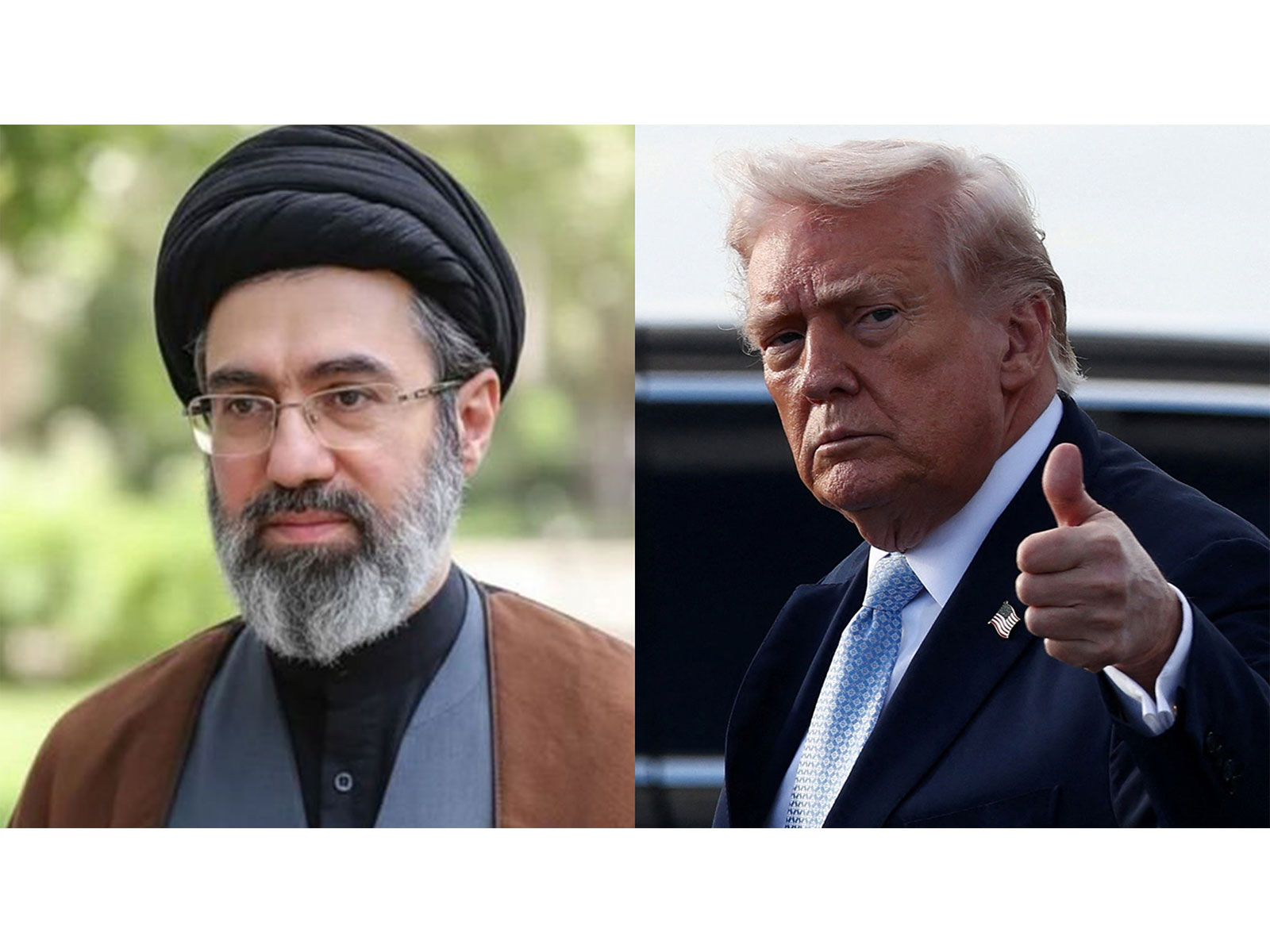
Tehran has responded negatively to a US-proposed resolution aimed at ending the ongoing conflict, a senior Iranian political-security official told state broadcaster Press TV on Wednesday, stressing that any end to hostilities would come only on Tehran’s “own terms and timeline.”
“Iran says it will end the war when it decides to do so and when its own conditions are met,” an official told Press TV. He stressed that Tehran is determined to continue its defense and strike “hard blows” at the enemy until its demands are met.
According to the official, Washington is negotiating through various diplomatic channels and presenting proposals that Tehran considers “excessive and disconnected from the reality of America’s failure on the battlefield.”
Tehran has termed this latest proposal, made through a friendly regional mediator, as a ploy to escalate tensions and reacted negatively.
The official mentioned five specific conditions under which Iran would agree to end the war. These include:
• A complete ban on “aggression and killings” by the enemy.
• Establishing concrete mechanisms to prevent the reimposition of war on the Islamic Republic.
• Guarantee and clear definition of payment of war damages and compensation.
• An end to the war on all fronts and for all resistance groups in the region.
• International recognition and guarantee of Iran’s sovereign right to exercise authority over the Strait of Hormuz.
The official also told Press TV that the conditions are in addition to demands put forward by Tehran earlier during the second round of talks in Geneva, which took place just days before the February 28 attacks by the US and Israel.
The official stressed, “There will be no negotiations before that,” and reiterated that Iran’s defensive operations will continue until the outlined conditions are met.
“The war will end when Iran decides to end it, not when Trump imagines it ending,” the official further told Press TV.
The urgency of resolving this conflict is evident from the military situation, as Israel and the United States have been conducting joint operations targeting Iran’s missile systems, launch sites, and other critical infrastructure since the beginning of the conflict. Despite these continued attacks, Tehran has continued its campaign and is firing missiles at Israel and the surrounding Gulf countries.
In addition to direct military conflict, the proposal also focuses on sea routes, as the Strait of Hormuz – a vital route for international oil exports – is “closed”, reducing global supply and driving up prices. In response to these pressures, Israel’s Channel 12 reports that Trump’s conditions include “a one-month ceasefire to discuss the agreement” and “the complete end of Iran’s nuclear weapons capability.”
The US conditions further call for Tehran to “cease uranium enrichment on its territory” and “keep the Strait of Hormuz open”. Additionally, Iran must “hand over its stockpile of highly enriched uranium to the International Atomic Energy Agency (IAEA)” and “dismantle key nuclear sites at Natanz, Isfahan and Ford”, as well as “allow the IAEA full access”.
Other regional conditions included in the US plan require Iran to “refrain from regional proxy activities” and “cease support for allied armed groups.” Strategically, the plan includes “imposing limits on the range and number of missiles” and “restricting future use of missiles to self-defense only.”
In exchange for these concessions, Washington has reportedly offered “the complete lifting of sanctions on Iran” and “support for its civilian nuclear program”, specifically targeting “electricity production at the Bushehr plant”. The proposal also includes a provision to remove the “snapback” sanctions mechanism.
However, Iranian military officials have responded sharply to these proposals. Khatam al-Anbiya central headquarters spokesman Lt. Col. Ibrahim Zolfaghri said Wednesday that Trump was “talking to himself.”
Challenging America, he further said, “If it were possible, the country that calls itself a global superpower would have come out of this crisis by now. Don’t call your defeat a compromise. Your era of empty promises is over.”
With Iran further hardening its stance and putting forward its demands to the US, it appears that the standoff in West Asia is far from over.