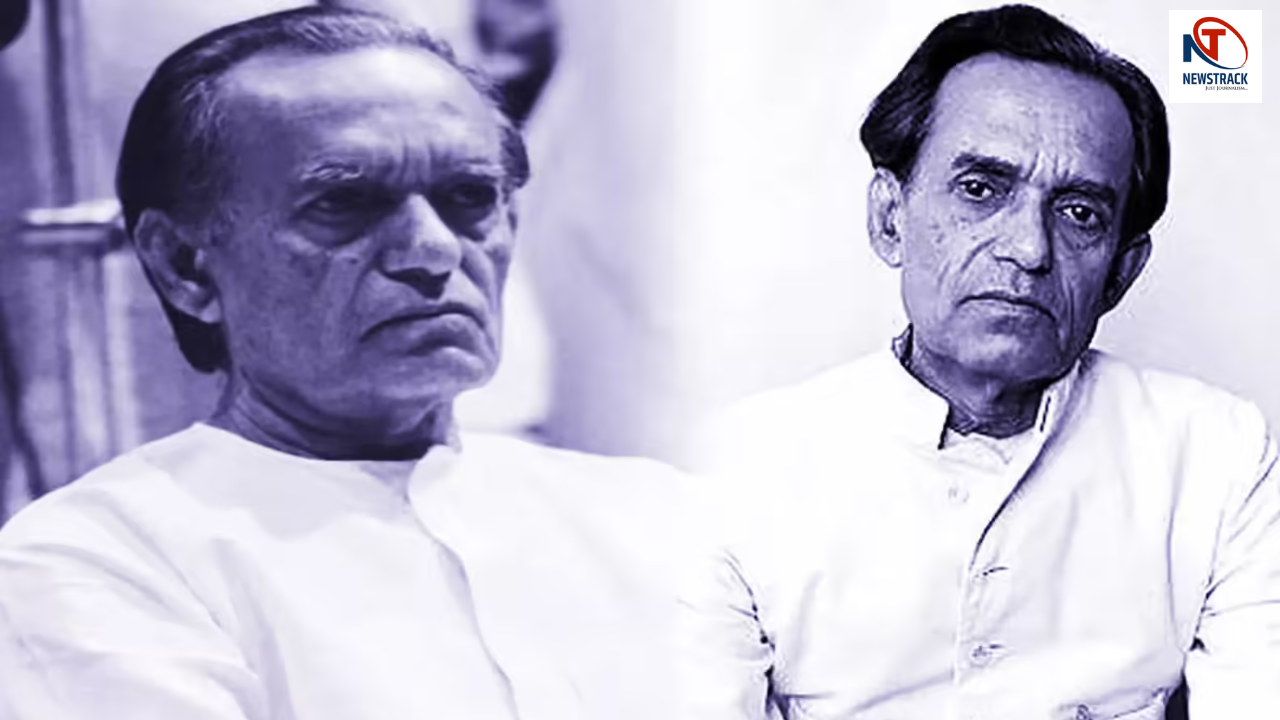
Bihar Assembly Election 2025: There is a continuous discussion regarding the post of Chief Minister of Bihar between Bihar Assembly elections 2025. At present, a name is again in the headlines in Bihar politics, which had become an important part of the state’s politics. We are talking about Abdul Ghafoor, who was known as ‘Chacha Ghafoor’ in the politics of Bihar. Abdul Ghafoor was the first and only Muslim Chief Minister of Bihar, who headed the politics of Bihar from 1973 to 1975. His tenure created a distinct identity in the politics of Bihar. Let us know about some important aspects of Chacha Ghafoor’s life, which tell about his political journey.
Born in a farmer family
Abdul Ghafoor was born in 1918 in Sirajpur, a small village in Gopalganj district. He belonged to a farmer family. Since childhood, he was interested in serving the society. He was educated at Aligarh Muslim University, where he realized his commitment towards the freedom struggle. He was a staunch supporter of Mahatma Gandhi, but was also inspired by Netaji Subhash Chandra Bose and his Azad Hind Fauj. In 1941, he joined the Forward Bloc and also took part in the Quit India Movement of 1942. He was arrested, but after his release from jail, he joined the Congress Party and raised his voice against the communal politics of the Muslim League.
Chacha Ghafoor became the Chief Minister of Bihar
Abdul Ghafoor won the election as MLA for the first time in 1952 and started his political career from Barauli assembly seat. He became MLA from this seat four times. After the 1972 assembly elections, the Congress government was formed, but due to internal strife the government was in trouble. At this time, Prime Minister Indira Gandhi made Abdul Ghafoor the Chief Minister of Bihar on 2 July 1973 with the aim of presenting a Muslim face in Bihar. Thus, he became the first and only Muslim Chief Minister of Bihar.
What did Ghafoor do when he was CM?
After Chacha Ghafoor became the Chief Minister, he took a tough stance against corruption and initiated many reforms. However, his tenure was only for 21 months. On 11 April 1975, Indira Gandhi removed him and replaced him with Jagannath Mishra as the Chief Minister. Ghafoor got district status for Gopalganj district during his tenure, which was an important achievement for his home region. Apart from this, he was also the Minister of Housing and Urban Development in the Rajiv Gandhi government.
Student movement and controversy of 1974
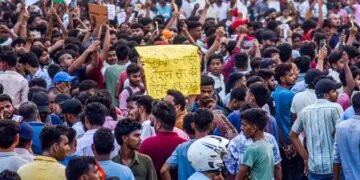
After Ghafoor became the Chief Minister, the student movement gained momentum in Bihar. In 1974, students protested against corruption under the leadership of Jayaprakash Narayan. On 4 November 1974, the police lathi-charged student agitators at Gandhi Maidan in Patna, resulting in the death of 8 students. After this incident, Ghafur government was accused of violence. This incident proved helpful in spreading the JP movement nationally, which later led to the Emergency (1975) imposed by Indira Gandhi. Ghafoor himself had said that “it was necessary to crush the movement, otherwise anarchy would have spread.
Chacha Gafoor’s personal life
Chacha Ghafoor’s personal life was also quite interesting. Even after becoming the Chief Minister, he lived a very simple life rather than a lavish lifestyle. He used to drive himself in a white Fiat car without security. He was fond of taking beeda from the paan shop on Bailey Road in Patna. Apart from this, Chacha Ghafoor had the habit of drinking toddy, which became a special identity for him. This habit was seen in very few people of the Muslim community.
Founder President of Nitish Kumar’s Samata Party
In 1996, Abdul Ghafoor also served as the founding president of Nitish Kumar’s Samata Party. He became MP from Gopalganj and contributed in deciding the direction of the party. His political influence is still felt in Bihar. His grandson Asif Ghafoor, who is the general secretary of Bihar Congress, also contested the elections from Barauli Assembly in 2010.
Chacha Ghafoor passes away
Abdul Ghafoor breathed his last on 10 July 2004 at the age of 86. His death proved to be a turning point in the politics of Bihar, because after him no Muslim leader in Bihar could reach the post of Chief Minister. Despite Bihar having about 17% Muslim population, after Ghafoor there was no other opportunity to become Chief Minister from this community.