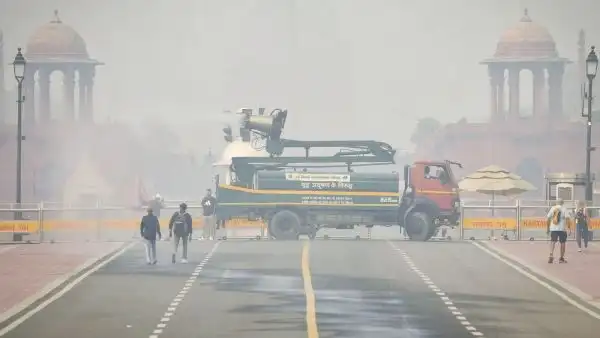
The level of air pollution in the capital Delhi is continuously increasing. The air quality index (AQI) was recorded above 450 at 7 am on Tuesday, which falls in the severe to severe plus category. Experts have warned that this is an extremely dangerous level for health, especially for children, the elderly and respiratory patients.
most affected areas
Bawana, Rohini and Mundka areas of Delhi are considered to be the most affected. The level of pollution in these areas is so high that problems like difficulty in breathing, eye irritation and cough have increased. Citizens have shared their complaints on social media and advised them to wear masks and stay indoors.
Government efforts and their limitations
Delhi Government and Central Government have taken many steps to reduce pollution. These include:
Promoting public transport and banning private vehicles.
Dust control in construction works and ban on night work.
Prohibition of smoke and burning of solid waste.
However, these steps have not shown any significant impact yet. Experts say that pollution is increasing further due to cold, lack of air and vehicle emissions.
serious impact on health
Experts are warning that prolonged exposure to such pollution can increase the risk of bronchitis, asthma and cardiovascular diseases. Doctors have appealed to the citizens to
Use air purifiers while staying indoors,
Wear an N95 mask when going out,
Protect children and elderly from going out.
suggestions for pollution control
Experts suggest that government steps alone are not enough. People should also avoid sharing vehicles, do less dusty construction work and avoid burning garbage. Apart from this, planting trees and increasing green areas are being suggested as long-term solutions.