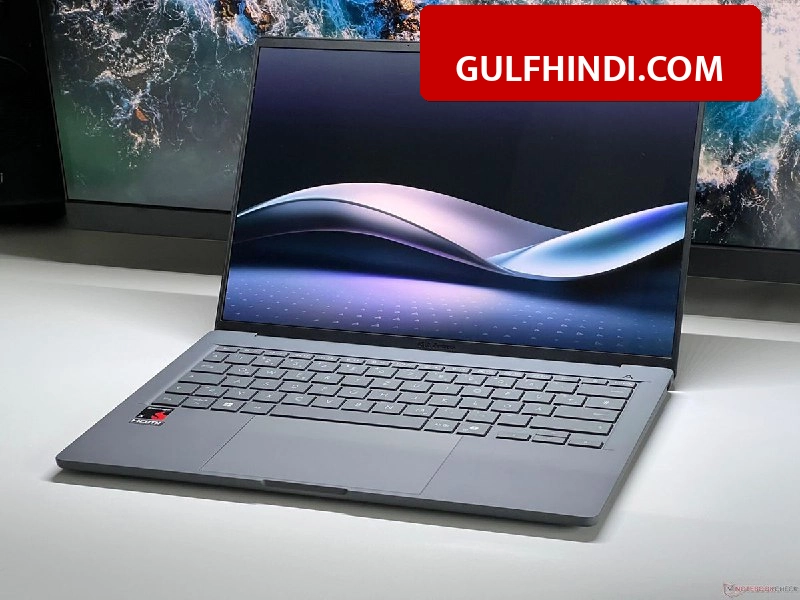
The ongoing patent dispute between Finland’s telecommunications company Nokia and Taiwan’s electronics giant Asus has now deepened. A German court, ruling in favor of Nokia, has temporarily banned the sale of laptops and desktop computers of Asus and Acer. At the same time, in India too, Nokia has filed a case against Asus in Delhi High Court, although no ban has been imposed on any kind of sale here yet. At present, no significant impact of this dispute has been seen in the Gulf countries.
ℹ️: UAE created history in space, successfully launched its first self-made hybrid rocket.
What is the dispute and court decision?
This entire controversy is about violation of Nokia’s High-Efficiency Video Coding (HEVC) patent. This technique is very important for video compression and is used in many electronic devices. The Munich I regional court in Germany ruled in favor of Nokia on 22 January 2026.
Following this decision, Asus and Acer have temporarily stopped selling the affected products from their official websites in Germany from 16 February 2026. The court found that Asus and Acer were not cooperating in entering into a licensing agreement on fair, reasonable and non-discriminatory terms (FRAND).
What is the impact on India and Gulf countries?
In India, Nokia had filed a case against Asus in the Delhi High Court in June 2025 regarding two video coding patents. However, there is no ban on the sale of any Asus product in India. Laptop sales are continuing normally here. German news on the internet is being misrepresented as a ban on India.
There is no news of any legal action or ban on sales related to this patent dispute in the Gulf countries. Therefore, it has no direct impact on the common people living in Gulf countries.
What do the companies say?
Nokia says that it wants fair payment for the use of its technology and is always ready to negotiate. The company hopes that Asus and Acer will also be ready for the license agreement soon.
Asus has said in a statement that it respects intellectual property. The sale has been temporarily halted following the court ruling in Germany and the company is evaluating further legal action to seek a fair resolution. Acer has also said it will respect the court’s decision and temporarily suspend sales of the affected products in Germany.