New Delhi, March 1 (IANS). Holi festival is full of joy of colors, but most of the synthetic or chemical colors available in the market are proving to be very dangerous for the skin. Every year, millions of tonnes of such colors are used, which contain heavy metals like lead, mercury, chromium, silica, industrial dyes, mica dust and sometimes even engine oil.
These chemicals can cause many problems to the skin immediately and in the long run. Chemical colors can cause skin irritation, itching, redness, swelling, allergies like eczema, dryness and pain. The face is most affected because the colors are applied directly there.
Not only this, the condition may worsen in people with pre-existing diseases – acne, eczema, psoriasis, vitiligo or sensitive skin. Long-term risks such as post-inflammatory hyperpigmentation (dark spots), toxins such as lead, can be especially harmful to children. Are also harmful for pregnant women. Not only this, eye irritation, redness, watering, grittiness, hair fall, nail problems are also common.
Since the face is the most delicate part, it is important to take special care of it. Adopting some easy measures before and after Holi provides many benefits. For pre-Holi protection, apply coconut, almond, mustard or sesame oil thoroughly on face, neck, hands and feet. It creates a barrier, the colors do not penetrate deeply. Apply moisturizer and sunscreen. Apply lip balm on lips and clear nail polish on nails. Wear sunglasses while playing colors to protect your eyes.
For post-Holi care, wash with cold water and remove color with a mild cleanser or oil-based cleansing balm. Avoid rubbing the face or skin, otherwise scratches or allergies may increase. Keep the skin hydrated by applying moisturizer. If rashes or irritation occur, consult a doctor.
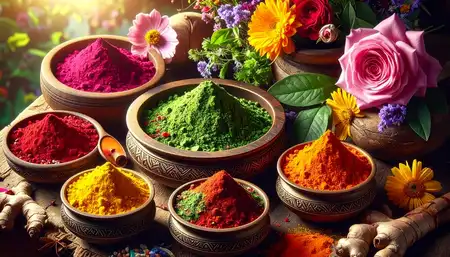
It is safest to adopt herbal or natural colors instead of chemical colors. These are made from plants, flowers and kitchen items, which are beneficial for the skin and environment friendly. There are some easy herbal colors, which can be prepared easily at home. These colors do not cause allergies, wash off easily and keep the skin soft.
For green color, make it by boiling or grinding spinach, coriander, neem leaves, make yellow color from turmeric, gram flour or rice flour and marigold petals. Make red or orange color from beetroot, carrot, pomegranate peel, red hibiscus, palash or henna leaves. For blue color, prepare blue flowers or Vishnukanta by boiling them. Use rose, beetroot or onion peel for pink color.
–IANS
MT/AS