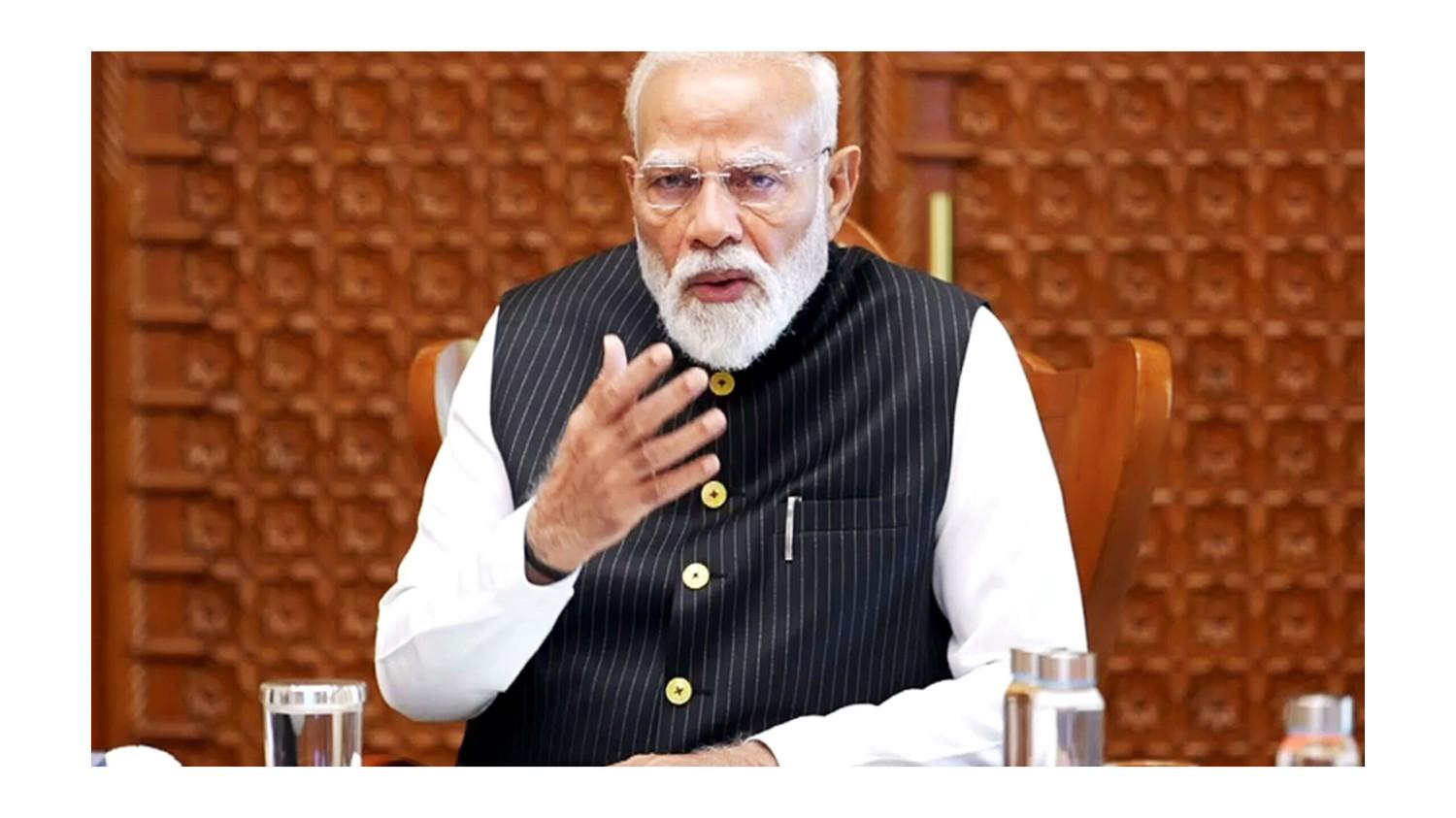
Narendra Modi will interact with Chief Ministers through video conferencing on Friday evening to review state-level preparedness in view of the ongoing conflict in West Asia. The discussions will focus on coordinated action and synergy among “Team India”.
However, sources have indicated that chief ministers of election-bound states will not attend the meeting. These include Kerala Chief Minister Pinarayi Vijayan, West Bengal Chief Minister Mamata Banerjee, Tamil Nadu Chief Minister MK Stalin, Assam Chief Minister Himanta Biswa Sarma and Puducherry Chief Minister N Rangasamy.
Amid concerns raised by rumors of fuel shortage in some parts of the country, Jammu and Kashmir Chief Minister Omar Abdullah appealed to the people not to panic. Responding to reports of long queues at petrol pumps in Jammu, Abdullah said, “My humble request to you is that you do not camp outside the petrol pumps, otherwise I will close all the petrol pumps for the next few days.” Describing the situation as “regrettable”, he said that although the government has clarified that there is no shortage of petrol, diesel or LPG, people are still relying on misinformation being spread on social media.
He stressed that no instructions have been issued to limit fuel use and appealed to citizens not to panic buy. Abdullah further said, “Tomorrow there is an online meeting of all the Chief Ministers with Prime Minister Modi and I will attend it.” He also reiterated that the supply situation remains stable.
Earlier on Wednesday, an all-party meeting on the West Asia crisis was held in the national capital under the chairmanship of Defense Minister Rajnath Singh, where the government briefed on the situation in West Asia and ways India can deal with its impact.
All Union ministers on the Cabinet Committee on Security – Rajnath Singh, Home Minister Amit Shah, External Affairs Minister S Jaishankar and Finance Minister Nirmala Sitharaman – represented the government. Health Minister JP Nadda and Parliamentary Affairs Minister Kiren Rijiju also attended the meeting.
The detailed briefing by Foreign Secretary Vikram Misri, as well as comments by External Affairs Minister Jaishankar and Petroleum Minister Hardeep Singh Puri, highlighted that India’s energy security remains stable with adequate availability of crude oil, LPG and fertilizers.
The government stressed that several consignments have already reached India and more consignments are expected to arrive in the coming days. The government also stressed on proactive measures given the country’s strong refining capacity. The government stressed that several consignments have already reached India and more consignments are expected to arrive in the coming days due to the country’s strong refining capacity. The government also stressed active diplomatic efforts and said New Delhi is in touch with all concerned and ensuring uninterrupted supplies, which it described as a “diplomatic success”.
On the security front, officials reiterated that there is no need to panic, and Indian embassies are actively assisting citizens in the affected areas. Evacuation plans are still in place, and the safety of Indians living abroad is the top priority.
Earlier, while addressing the Rajya Sabha, Prime Minister Modi assured that India has adequate crude oil reserves and strong arrangements for continuous supply. He highlighted the expansion of strategic petroleum reserves over the past decade and the diversification of energy imports from 27 to 41 countries to reduce dependence on any one source.
In view of the disruption in global trade routes, especially those passing through the Strait of Hormuz, the Central Government has said that India is fully prepared to face any economic or logistics related challenges. Friday’s meeting is expected to further streamline coordination between the Center and states to effectively deal with the crisis.