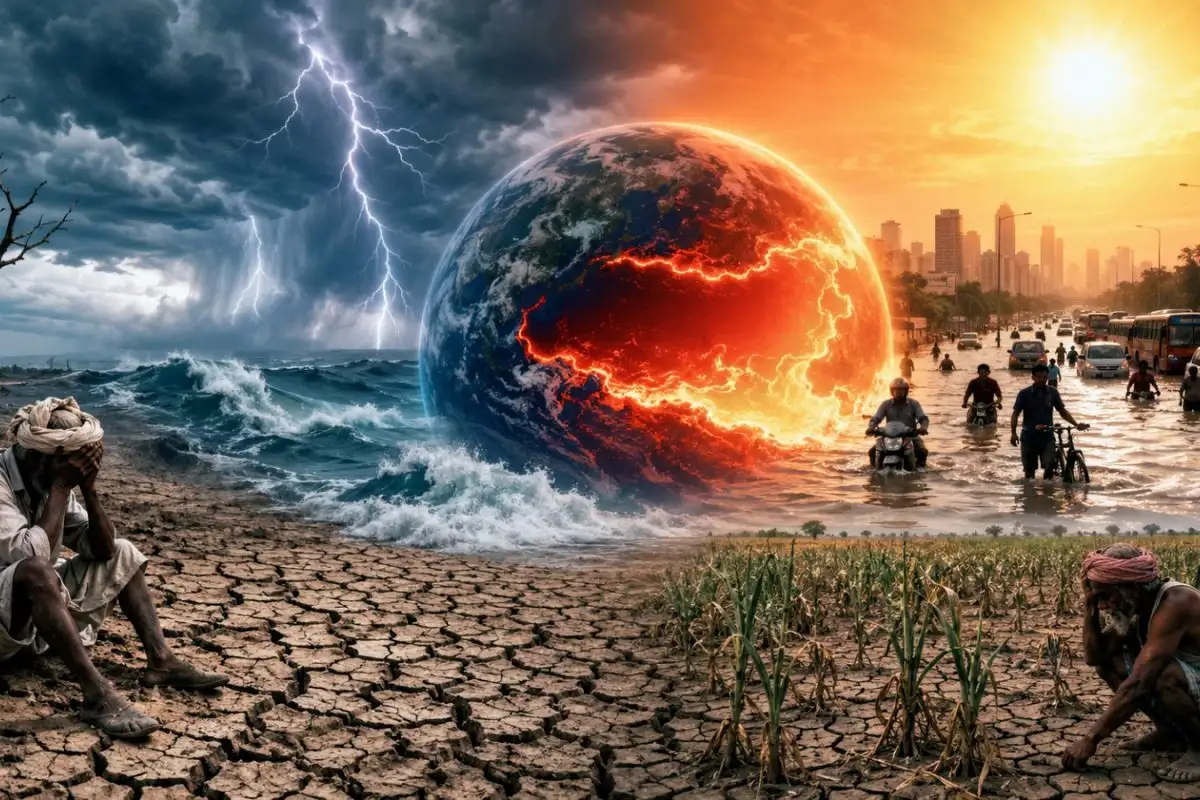
Temperatures in the tropical Pacific Ocean have increased significantly compared to the same time last year. This provides new evidence of warming in one of the world’s most important climate regions amid the impact of El Nino. Daily sea surface temperature data from the US National Oceanic and Atmospheric Administration (NOAA) shows temperatures rising to the ‘Nino 3.4’ region in 2026. This is a special part of the central Pacific Ocean that scientists use to monitor global El Nino and La Nina climate patterns.
rising temperature
Between June 1 and July 4, 2026, the region was warmer every day than the same period in 2025. By July 4, the temperature difference increased to 1.64°C. Furthermore, the temperature difference between 2025 and 2026 was 1.06°C on 1 June and increased to 1.64°C by 4 July. This is an increase of approximately 55%, which shows how rapidly the oceans are warming. This comparison has been made at a time when the India Meteorological Department (IMD) has predicted below normal rainfall in July. The department says the impact of El Nino is intensifying in the equatorial Pacific region, while India has had its driest June in more than a century.
warming oceans
NOAA data shows that the temperature in the Nino 3.4 region was 28.9°C on June 1 this year, rising to 29.23°C by July 4. In contrast, temperatures actually dropped from 27.84°C to 27.59°C during the same period in 2025. This year, the maximum temperature was recorded at 29.41°C on June 19, while the minimum temperature was 28.90°C on June 1. In 2025, the maximum temperature recorded was 27.84°C on June 1–2, and the minimum temperature was 27.52°C on June 28–29. Maintaining temperatures above 29°C is particularly important, as warm sea surface temperatures add heat and moisture to the air, affecting rainfall patterns and wind flows over the Pacific Ocean.
What effect will this have on India?
Its results are important for India. About 70% of the country’s annual rainfall comes from the south-west monsoon, which helps in agriculture, water storage and drinking water supply. A strong El Nino often increases the risk of below-normal monsoon rainfall, heat waves and uneven distribution of rainfall, although other weather factors – such as the Indian Ocean Dipole (IOD) and short-term weather systems – also influence the ultimate outcome. The IMD has predicted below normal rainfall in most parts of the country in July, although good rainfall is expected in the beginning of the month. This estimate comes at a time when the month of June was the fifth driest month since 1901. In many areas, delay in monsoon resulted in lack of rainfall and prolonged heat wave. In view of this situation, Prime Minister Narendra Modi has directed ministries to prepare emergency plans to deal with the shortage of rain.