: Saturday, May 09, 2026 3:12 PM
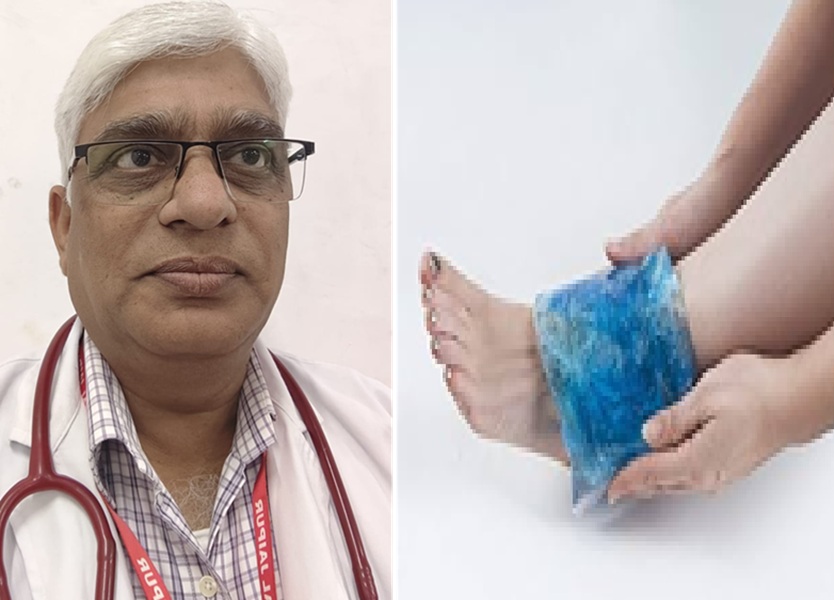
Jaipur. In olden times, there were no refrigerators and ice cubes were brought from the Himalayas or high mountains. This ice was kept wrapped in jute cloth, sawdust or quilt to preserve it for a long time and to protect it from heat, at that time it was known as an advanced medical method in the Unani system of medicine which was used to treat swelling, pain, fever and injuries. It is called “Taskeen Therapy” in Greek. Nowadays it is called “cryotherapy” or cold therapy. According to the Greek physicians, this compress was used for ‘barid’ (cold) temperament, the main purpose of which was to reduce swelling and shrink the blood vessels and reduce the temperature of fever. It can be used within 48 hours. In ancient times, Greek physicians also used it as a pain reliever or anesthetic which numbs the area. In ancient times, the methods of compressing ice were slightly different from modern compresses, but were scientifically effective. 1. Source and accumulation of ice. Ice from the mountains. Ice was brought from far-flung mountains for kings, emperors and hakims. It was brought wrapped in straw and jute clothes so that it would not melt.
2. Ice was frozen at night __ On clear winter nights, ice was frozen by spreading dry grass on the ground and placing water in shallow earthen pots on it through ‘radiative cooling’.
In Unani medicine, ice compress has been used in the following way:
1. Ice or cold water bar: When ice was not available, water pots were kept in the open overnight to cool them. Bandages were applied by soaking the cloth in that extremely cold water. A cloth soaked in ice cubes or icy water was placed on the affected area. Ice cubes: Small pieces of ice wrapped in a cloth were applied directly to the painful area. This method is used for headache, fever, swelling and injury.
2. Ice Baths __ Athletes or injured people were immersed in pools of cold water to reduce swelling and relieve muscle pain. To treat injury or fatigue, the entire body or affected part was immersed in cold water. This method was used to reduce muscle pain, fatigue and swelling after physical exertion.
3. Specific uses in Unani medicine: Swelling and fever – According to Hakim Ibn Sina, cold compress was used to reduce ‘hot swelling’ and fever. Hippocrates described using ice to stop bleeding from a wound.
4. Headache and Tumor: In ancient times, a cold compress was applied on the forehead for headache.
5. Herbs in cold water: To reduce pain, herbal extracts are mixed in cold water and fomentation is done. This method is used to stop bleeding from open wounds.
6. Direct application to wounds __There is mention of washing war wounds with cold water and applying ice to stop bleeding and reduce pain as early as the time of Hippocrates. In this method, the blood vessels of the open wound shrink, which stops the bleeding and provides immediate relief from swelling and pain.
Precautions __
1. Protect your skin__ Never apply ice or gel packs directly to the skin as it could damage the skin. It was always used wrapped in a cloth.
2. Compression should not be done for too long, rather it should be done until the pain subsides. Ancient Greek and Indian physicians used the laws of nature to reduce inflammation in the body through ‘shock therapy’ or freezing.
4. Set a time limit__Apply ice for only 10 to 20 minutes at a time. Applying ice for more than 20 minutes can cause “reactive vasodilation,” in which blood vessels dilate to protect tissue, negating the benefits of ice application.
5. Wait between sessions __ Keep a gap of at least 1–2 hours between ice application sessions, so that the skin temperature can return to normal.
6. Avoid if you have sensitive skin People with poor circulation, or who have Raynaud’s syndrome, diabetes, or nerve problems (neuropathy), should consult a doctor before using cold therapy, as they may not feel early signs of tissue damage.
Main purposes of cold compress__
1. To reduce swelling in case of joint pain or injury by controlling blood flow.
2. Controlling the temperature of fever by placing a compress of cold water on the forehead.
3. Contributing to numbing the pain.
4. Skin Care and Beauty__Using “skin icing” or an ice roller can temporarily reduce facial swelling, tighten pores, and relieve acne or sunburn.5. Mental Health: Exposure to extreme cold can release the hormones endorphins and norepinephrine, which can improve mood and alertness.
Principles of cold treatment in Unani medicine
1. Contribution of Hippocrates: Hippocrates, considered the father of medicine, described the use of cold temperatures to reduce pain.
2. Numbing the body __Applying ice numbs the nerves of that area due to which pain is not felt.
3. Reduces swelling __Cold temperature shrinks the blood vessels, which reduces swelling and redness at the injury site.
4. Humoral Theory: In Unani medicine, cold or hot treatment was also used to balance the four elements of the body (Dum, Balgam, Safra, Sauda).
Dr. Liaqat Ali Mansoori, (Unani Physician and Hijama Therapy Specialist) Sawai Mansingh Hospital, Jaipur (Raj)
Read this also – Click to read the news of your state/city before the newspaper.
Web Title-Taskin Therapy Ice Therapy : An Ancient Component of Unani Medicine — Dr. Liaqat Ali Mansoori