
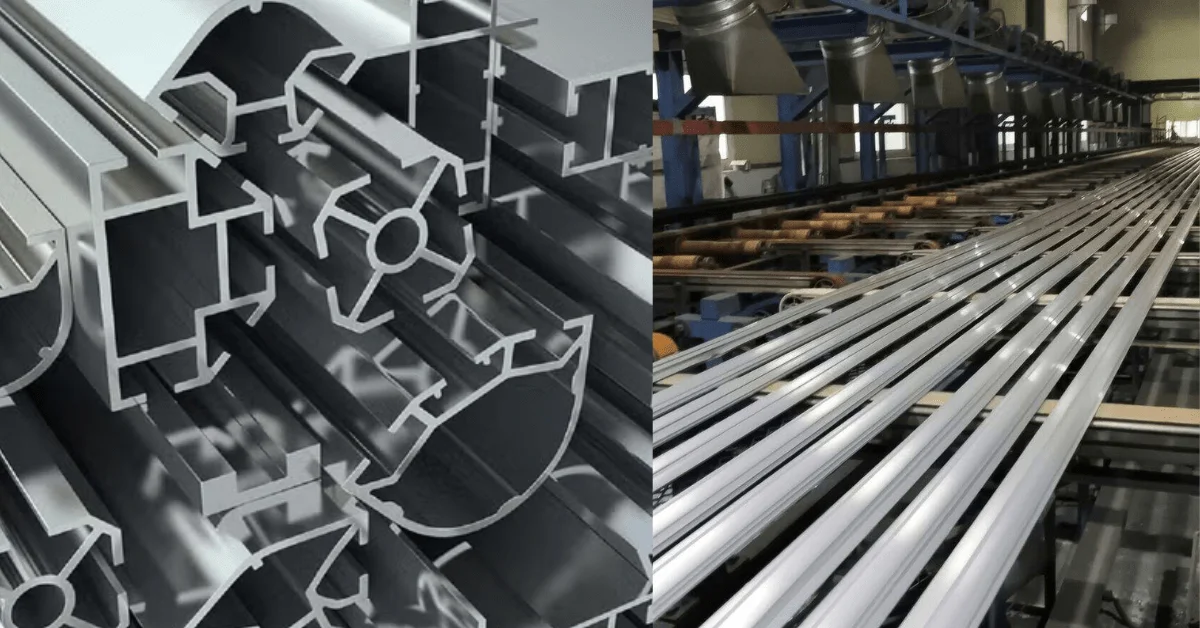
New Delhi: Industries producing finished aluminum products (downstream) have demanded from the Central Government to reduce the customs duty on primary aluminum and aluminum scrap. He says that due to the current fee system, there is huge cost pressure on micro, small and medium enterprises (MSMEs) and their competitiveness is being affected.
Aluminum downstream industry refers to industries that purchase primary aluminum (ingot, billet, etc.) as raw material and make cables, conductors, utensils, extrusions, foundry products, vehicle components and other finished products from it.
Aluminum Secondary Manufacturers Association (ASMA), Cables and Conductors Manufacturers Association of India (CACMAI) and Federation of All India Aluminum Utensils Manufacturers (FAIUM) have recently submitted a joint memorandum to the Ministry of Mines.
The memorandum said that due to effective import duty of 8.25 per cent on primary aluminum and 2.75 per cent on scrap, domestic producers fix prices on import parity basis, thereby increasing costs for downstream industries.
These organizations said that India’s per capita aluminum consumption is 2.5 kg, which is much lower than the global average of 11 kg. He says the biggest concern is cost.
Industry bodies claim that profit margins of downstream micro, small and medium enterprises (MSMEs) have declined by 70 per cent in the last few years, while raw material costs have increased by 20–35 per cent in the last three months due to rising global aluminum prices, freight and energy costs.
The organizations say that the current fee system is creating an inverted fee structure. While finished aluminum products are being imported at very low or zero duty under free trade agreements (FTAs), primary aluminum attracts high import duty. It is impacting sectors like cables, conductors, power transmission, energy storage, extrusion, foundry and recycling.
Industry organizations also said the EU’s Carbon Border Adjustment Mechanism (CBAM) could further impact the competitiveness of Indian aluminum exporters.
The organizations believe that if customs duty on primary aluminum and scrap is reduced, the costs of downstream industries will reduce, production capacity will increase and exports of value-added aluminum products will also be encouraged.
However, this proposal may be opposed by primary aluminum producing companies, as the existing duty regime helps them get better prices on import parity basis.











© 2026 AnyTV News Network