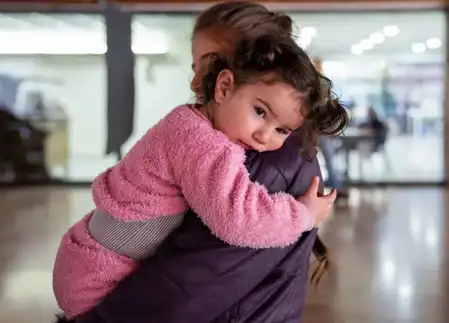
New Delhi, May 14 (IANS). UNICEF has drawn the world’s attention to the serious mental condition of millions of children amid the ongoing violence in Lebanon. It is reported that about 7.7 lakh children are suffering mental stress due to violence and large-scale displacement.
According to the report released on the official site, the situation has become even more serious in the last seven days. Despite the ceasefire declared on 17 April 2026, there have been reports of about 59 children killed or injured.
According to Lebanese Health Ministry data, 23 children have died and 93 have been injured since the ceasefire. Since March 2, a total of 200 children have lost their lives and 806 children have been injured.
This means that on an average around 14 children are either being killed or injured every day, which shows the magnitude of the situation.
UNICEF said that these children are facing situations like constant violence, loss of loved ones and the compulsion to leave home again and again. This is having a deep impact on his mind, which may last for many years to come.
“If immediate help is not provided, the psychological scars of this crisis could stay with children for years. This will impact not only their lives, but the future of the country as well,” said Eduard Beigbeder, UNICEF Regional Director for the Middle East and North Africa.
He lamented, “Children who should now return to school and live a normal life, play with friends and come out of the atmosphere of fear, are today being killed or injured in violence.”
According to UNICEF report, children and their caregivers are experiencing severe mental stress and grief-related symptoms. These include problems like excessive fear and anxiety, nightmares, insomnia and despair about the future.
The organization’s report says that if mental health and psychosocial support are not provided in a safe environment, these children may suffer from permanent mental health problems.
The organization’s 2025 “Child-Focused Rapid Assessment (CFRA)” had already found a sharp decline in children’s mental health following increased military tensions in 2024. According to the study, 72 percent of caregivers reported that these children were “anxious or nervous,” while 62 percent said that the children were feeling sad or depressed.
UNICEF says continued violence and instability have deepened these impacts, leaving children with neither time, safe environments nor adequate support to recover.
–IANS
kr/