Islamabad, May 5 (IANS). Pakistan has been in the news for the last few months due to serious health problems. In the last nine months, even children have had to bear the brunt of the negligence of hospitals. Many children were found HIV infected. This issue was also raised in the Parliament of Pakistan. The health department has presented a more frightening picture before the parliamentary committee on Tuesday. According to this, about 20 thousand HIV infected people undergoing treatment are missing.
Nearly 20,000 patients registered at antiretroviral therapy (ART) centers for HIV/AIDS treatment are now “missing”, the Pakistan National Assembly’s Standing Committee on Health was told. This revelation has raised serious questions on the system of follow-up, counseling and keeping patients connected to treatment.
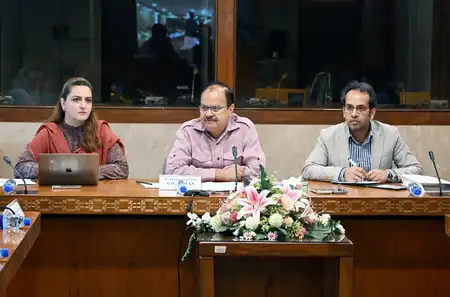
According to leading daily Dawn, Dr Mahesh Kumar Malani, who is chairing the committee, sought a detailed briefing from the Health Ministry, expressing concern over the rising cases of HIV/AIDS in the country. The ministry proposed giving an in-camera briefing, but the committee members rejected it citing the need for transparency.
According to statistics, HIV infection is increasing rapidly in Pakistan. New cases have increased by nearly 200 percent over the past 15 years—from 16,000 in 2010 to 48,000 by 2024. According to an estimate, the total number of infected people is 369,000, while the registered cases are 84 thousand. 14,000 new cases are expected in 2025. Of these, about 20,000 patients, who had started treatment, are now missing.
However, Health Minister Mustafa Kamal said that the country’s HIV/AIDS programs are supported only by global funding.
At the same time, the committee drew attention to the reasons due to which it is spreading further. Told that despite the ban, unsafe syringes are available in the market, blood banks and transfusion systems are not being closely monitored. The lack of awareness campaigns, fear of social ostracism and patients dropping out of the system after starting treatment are worrisome.
Although the national prevalence rate is 0.2% (less than the global average of 0.5%), infections have increased in areas like Taunsa, Kot Momin and South Punjab, highlighting lapses in control.
Three hospitals in Karachi have recorded a sharp increase in HIV cases among children in the last nine months. Experts have called for it to be declared a national health emergency, calling it “alarming”.
They also recommended safe medical practices, strict adherence to single-use syringes and the creation of a national data dashboard that would have reliable information on HIV, hepatitis B, C and other infectious diseases. This case highlights not only the lack of health system but also the challenge of awareness, surveillance and social attitude. The 20,000 “missing” patients are an indication that starting treatment is not enough—it is equally important to continue it and keep patients connected to the system.
–IANS
kr/