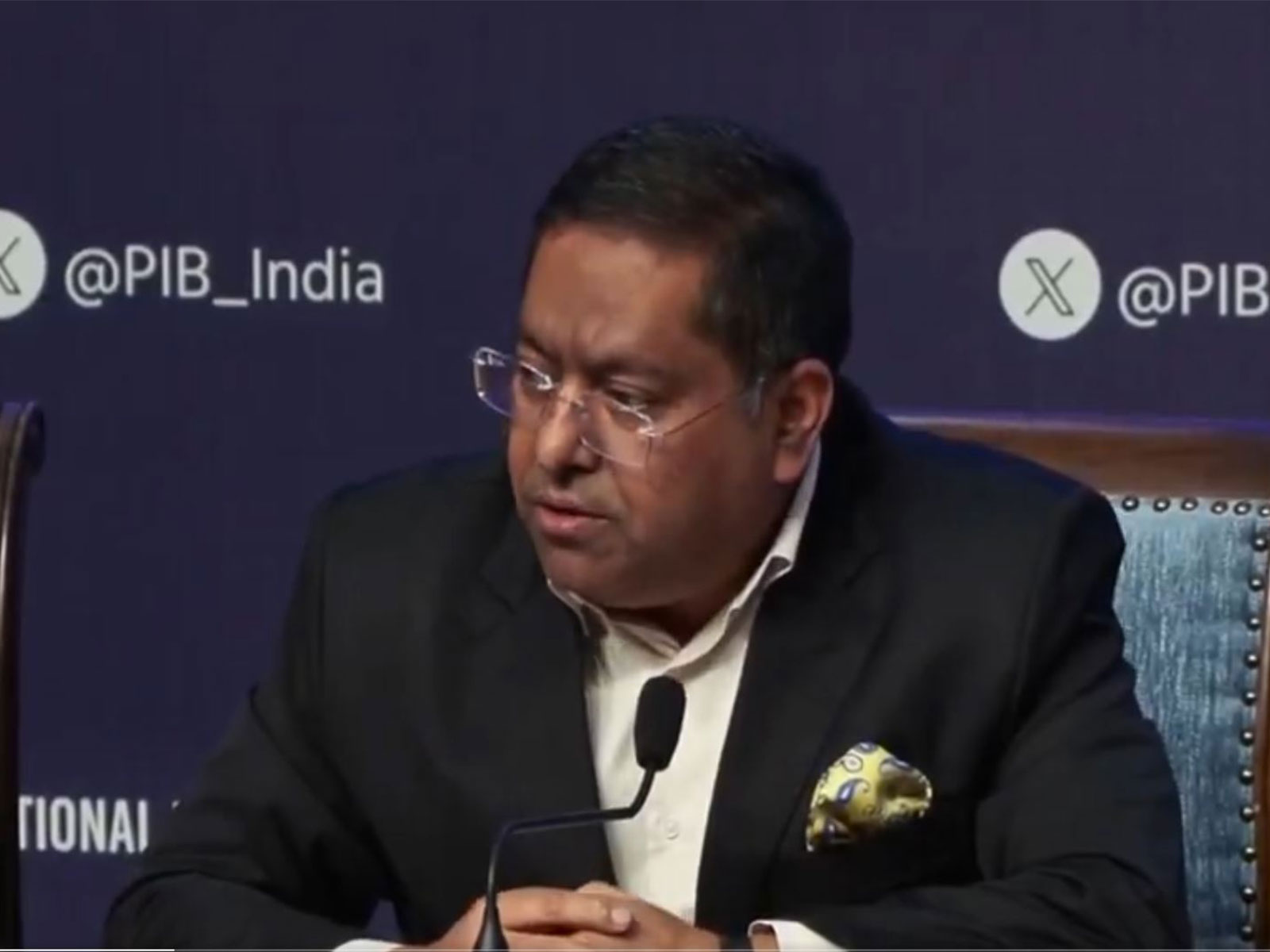
The Ministry of External Affairs on Monday highlighted India maintaining high-level diplomatic contacts with key regional countries to deal with the deteriorating security situation in the Middle East, while also stressing the need for stability and security of global trade.
Addressing an inter-ministerial briefing, External Affairs Ministry spokesperson Randhir Jaiswal said, “As you are aware, the Prime Minister has been talking to several world leaders on the ongoing conflict in the West Asia region.”
The main objective of these discussions has been to reduce the tension prevailing in the region since late February.
The spokesperson highlighted the important diplomatic exchanges that took place between New Delhi and Tehran over the weekend. Jaiswal said, “As you know, on Saturday he spoke to the President of Iran. On this occasion he also got the opportunity to wish him Happy Eid and Nowruz.”
During the conversation, Prime Minister Narendra Modi expressed “hope that this festive season will bring peace, stability and prosperity to West Asia,” while also expressing grave concern regarding the recent military attacks on non-combatant targets.
Elaborating on India’s firm stance on hostile activities, Jaiswal said, “The Prime Minister condemned the attacks on critical infrastructure in the region, which threaten regional stability and disrupt global supply chains.”
The statement comes after a series of drone and missile attacks targeting energy facilities in the Persian Gulf.
Highlighting the economic risks posed by the maritime standoff, the Ministry of External Affairs stressed the need to keep trade routes running smoothly.
“The Prime Minister reiterated the importance of protecting freedom of navigation and ensuring that sea lanes remain open and safe,” the spokesperson added.
Beyond geopolitical concerns, the welfare of the large Indian expatriate community living in the region remains a priority for the government. Jaiswal said the Prime Minister “appreciated Iran’s continued support for the safety, security and welfare of Indian citizens in Iran.”
The conflict in West Asia has reached a critical juncture after weeks of retaliation and attacks between Iran, Israel and the United States.
With the potential closure of the Strait of Hormuz and threats to energy infrastructure, the international community is on high alert given the risk of a major regional war that could have a devastating impact on global fuel security and West Asian stability.