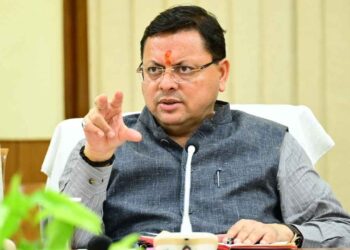
Bhopal, May 13 (IANS). Madhya Pradesh Chief Minister Mohan Yadav on Wednesday welcomed the Central Government’s decision to increase the Minimum Support Price (MSP) of 14 Kharif crops for the 2026-27 marketing season. He said that this will directly benefit the farmers of the state and strengthen the agriculture sector. The Cabinet Committee on Economic Affairs chaired by Prime Minister Narendra Modi on Wednesday approved the revised Minimum Support Price (MSP). Expressing his gratitude to the Prime Minister, Chief Minister Yadav said that the PM Modi-led government has consistently taken decisions to increase the income of farmers and ensure agricultural development.
Yadav said, “Under the leadership of PM Modi, decisions are being taken continuously in the interest of farmers. The increase in minimum support price for 14 Kharif crops will help in strengthening the agriculture sector and increase the income of Annadata farmers.” The Central Government has taken several concrete steps for the welfare and prosperity of farmers.”Yadav also highlighted state-level initiatives for farmers. He said that Madhya Pradesh is celebrating 2026 as “Farmers Welfare Year” under which farmer-centric programs are being organized across the state. These include exhibitions of advanced agricultural machines, awareness campaigns about government schemes and training in modern farming techniques to increase productivity.
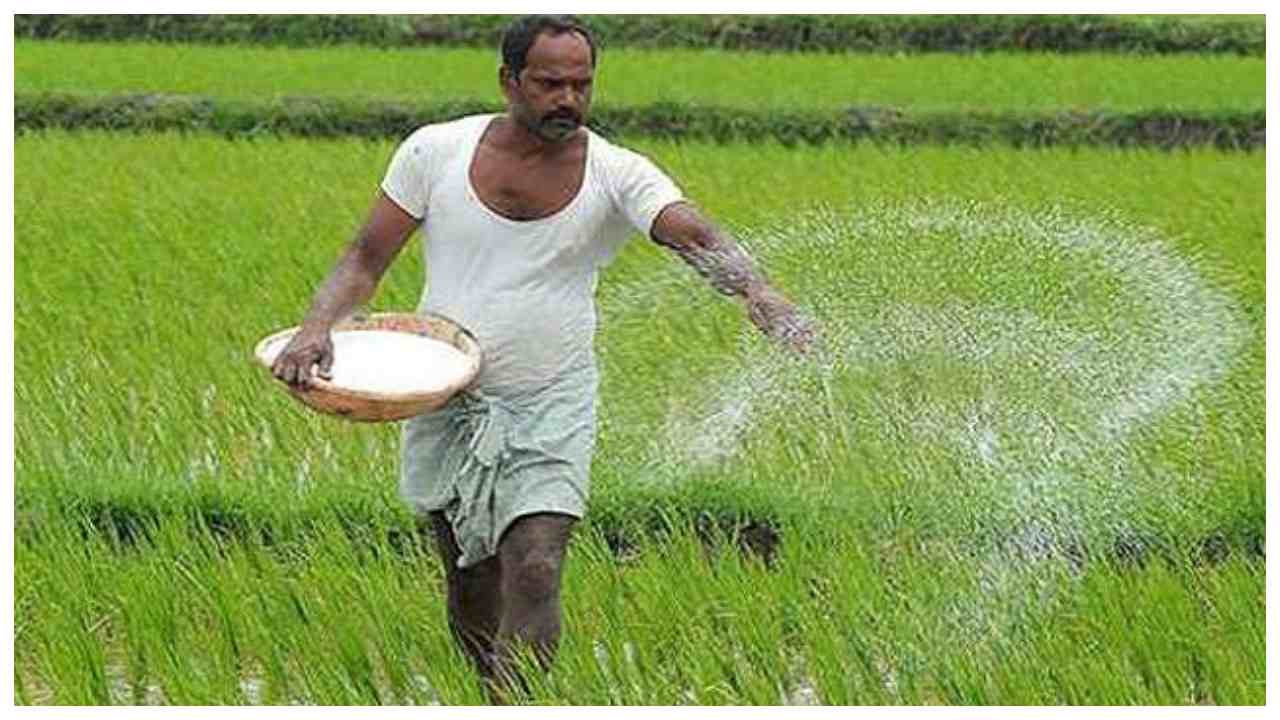
According to the revised minimum support price structure, sunflower seeds recorded the highest increase of Rs 622 per quintal. The minimum support price for cotton has been increased by Rs 557 per quintal, followed by Niger seed by Rs 515 and sesame by Rs 500 per quintal.
The Center has estimated strong returns on production costs. Among food grains, moong is expected to give the highest return of 61 per cent, followed by bajra and maize at 56 per cent and arhar at 54 per cent. Urad is expected to give 51 per cent return, while ragi, hybrid jowar and paddy are expected to give 50 per cent return. Among oilseeds, which include groundnut, sunflower seed, soybean, sesame and niger seed, Farmers are expected to get a margin of about 50 percent on the production cost.
–IANS
SCH