The Nepal government has taken a major administrative decision in view of the deepening fuel crisis in the country. It has been decided in the cabinet meeting that now there will be two days holiday in a week in government offices and educational institutions. This step has been taken mainly to reduce fuel consumption and manage the problems in supply. The government believes that this will reduce the number of vehicles on the roads and the country’s resources can be saved.
What has changed in the new rules and office hours?
According to the new rules, Saturday and Sunday will now be public holidays in Nepal. This decision is going to be effective from 6 April 2026. Government offices will now open only five days a week, but working hours have been increased. Now office timings will be from 9:00 am to 5:00 pm. Schools and colleges have also been instructed to follow the same rule so that the consumption of petrol and diesel can be reduced on Sunday.
Why was the decision of two days leave taken?
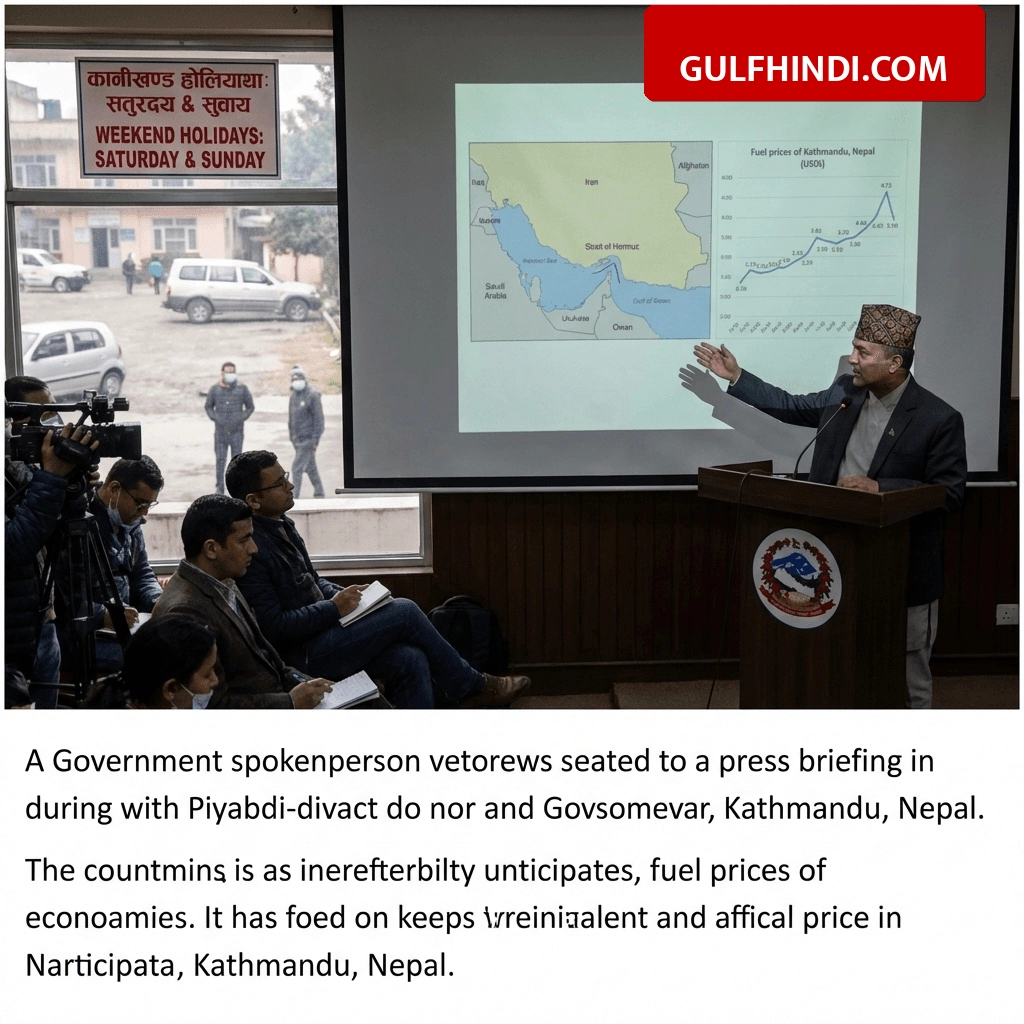
Government spokesperson Sasmit Pokharel informed that due to the ongoing conflict in West Asia and the closure of the Strait of Hormuz, fuel supply across the world has been adversely affected. Due to this, there is a huge shortage of petroleum products in Nepal also. Petrol and diesel prices have reached record levels in Kathmandu Valley. The government is now preparing a new legal path to convert old vehicles running on diesel and petrol into electric vehicles.
Important information related to fuel and holidays:
Date of entry into force of the rules: 6 April 2026 (Chaitra 23, 2082).
Weekly Holidays: Saturday and Sunday.
New office timings: From 9 am to 5 pm.
Petrol Price: Rs 202 per liter (Kathmandu Valley).
Price of diesel/kerosene: Rs 182 per litre.
New academic session: Approval has been given to start from 15 Baisakh.
Nepal Oil Corporation (NOC) had also recently revised the prices, after which the government has tried to deal with this situation through administrative reforms. This new work schedule will also affect people traveling from India to Nepal and the migrants living there.