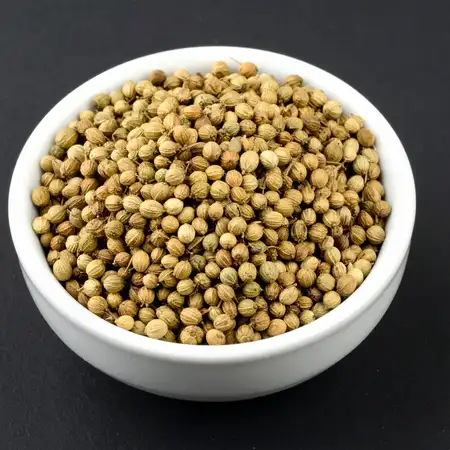
New Delhi, October 9 (IANS). On the night of Diwali, when the burning lamps dispel the darkness, at the same time another tradition is followed in some houses. Coriander seeds are put in an earthen pot. This seemingly simple ritual is actually a deep tradition associated with prosperity.
The word coriander itself is derived from the Sanskrit word ‘Dhanyakam’. Which means grain or crop. In medical texts it has been considered a symbol of food, medicine and auspiciousness. On the day of Dhanteras, when people buy new utensils, gold or broom, coriander seeds are also bought on the same day. It is said that as coriander sprouts, wealth and good fortune increase in the house.
Sowing seeds, especially in an auspicious time, symbolizes new beginnings and continuity in life. Putting coriander in a pot is a symbolic act after worshiping Goddess Lakshmi and Lord Kuber on the night of Diwali. Soil is a symbol of Mother Earth, while seeds indicate possibilities and germination indicates progress and auspicious results.
By performing this deed, a person wishes for continuity of food, wealth and health in his home. According to folklore, the person who puts coriander in a pot on the night of Diwali and offers water to it the next morning, there is a “flow of money” in his house.
This tradition is not only religious but also beautiful from environmental point of view. Coriander is a medicinal plant. It purifies the air, cools the body and enhances the taste of food. The weather is changing rapidly. Changes affect our digestive system and it is only at such times that the price of coriander is estimated. Coriander is beneficial in strengthening the immune system, preventing seasonal diseases, improving digestion and for the skin. Vitamin C, antioxidants and other nutrients in it help fight infections and flush out toxins from the body.
–IANS
kr/