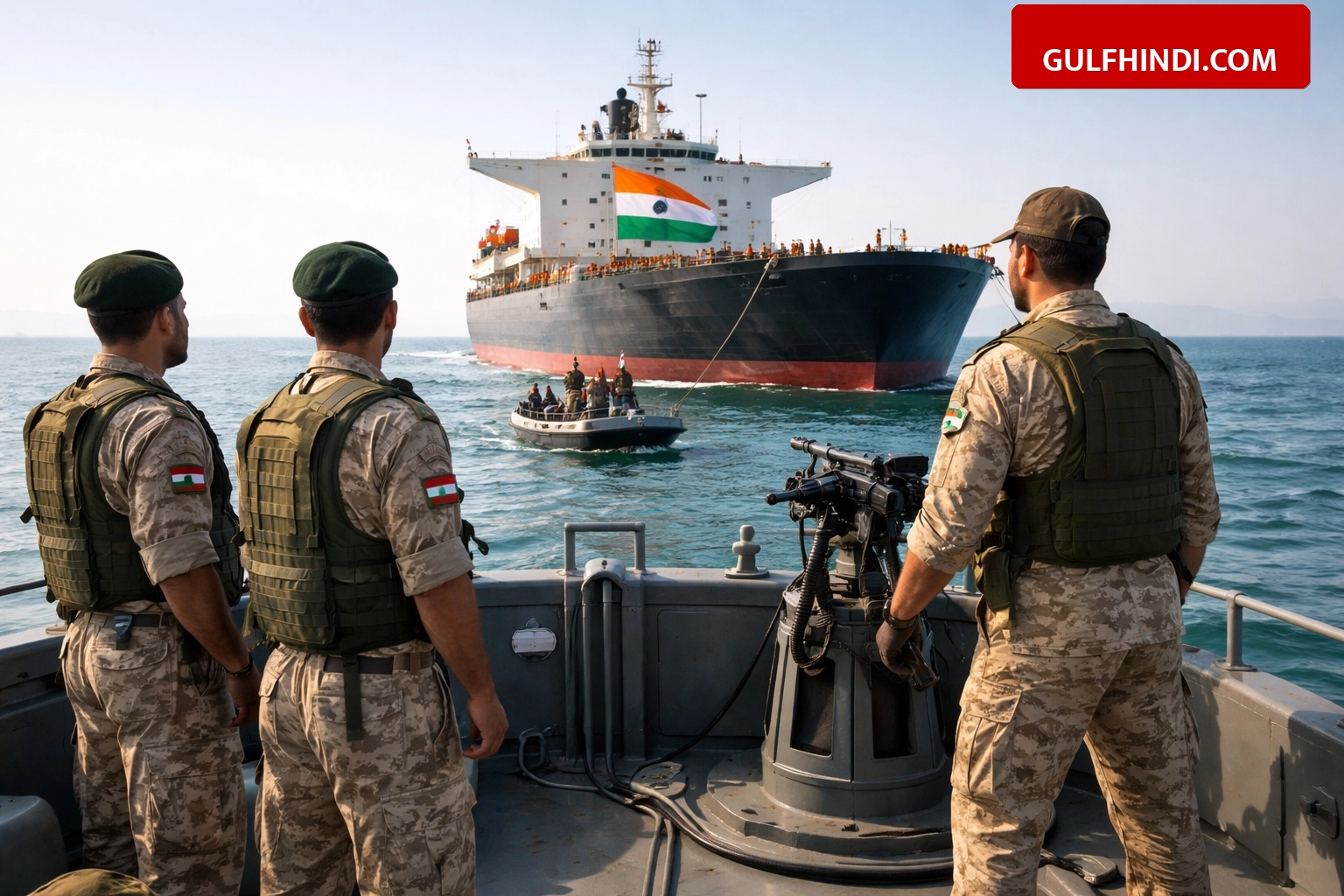
Iran has tightened its control over the Strait of Hormuz and imposed new transit rules. The Iranian Defense Council has made it clear that now only those ships which it considers ‘non-enemy’ will be able to pass through this route. Oman has also expressed concern over the situation and is continuously negotiating for safe passage. The United Nations has warned that the closure of this route is adversely affecting the supply of oil, gas and fertilizer around the world and the war is getting out of control.
🚨: Israel Hezbollah War Update: Israeli army entered Lebanon, Hezbollah fired missiles at Tel Aviv.
Ships from which countries will get entry and what are the new rules?
According to Iran’s Foreign Minister Abbas Arakchi, this sea route will be open to ‘friendly countries’ like India, China, Russia, Pakistan and Iraq. However, ships from these countries will also have to first coordinate and obtain clearance from Iran’s Revolutionary Guard Corps (IRGC). Iran has considered America and Israel as ‘aggressive parties’, so their ships will not be allowed to pass through here at all. Ships will now have to pass through a specific corridor and follow IRGC security regulations.
Important information related to toll tax and safety
The Iranian Parliament is now preparing to enact a new law to impose toll tax or fees on ships. Iran argues that it provides security in the area, so ships and oil tankers should pay fees in return. The current situation can be understood in the table given below:
Key Points Description Entry rules Only non-enemy ships allowed Friendly countries India, China, Russia, Pakistan and Iraq banned US and Israeli ships and equipment Proposed fee around $ 2 million per trip Discussion Oman’s role Mediation for safe transit continues UN’s concerns Bad impact on global economy
India’s Shipping Ministry has termed the news of toll tax as baseless at present and said that this route is subject to international rules. Increasing tensions between Iran and America may increase further difficulties for ships carrying cargo in the Gulf region.