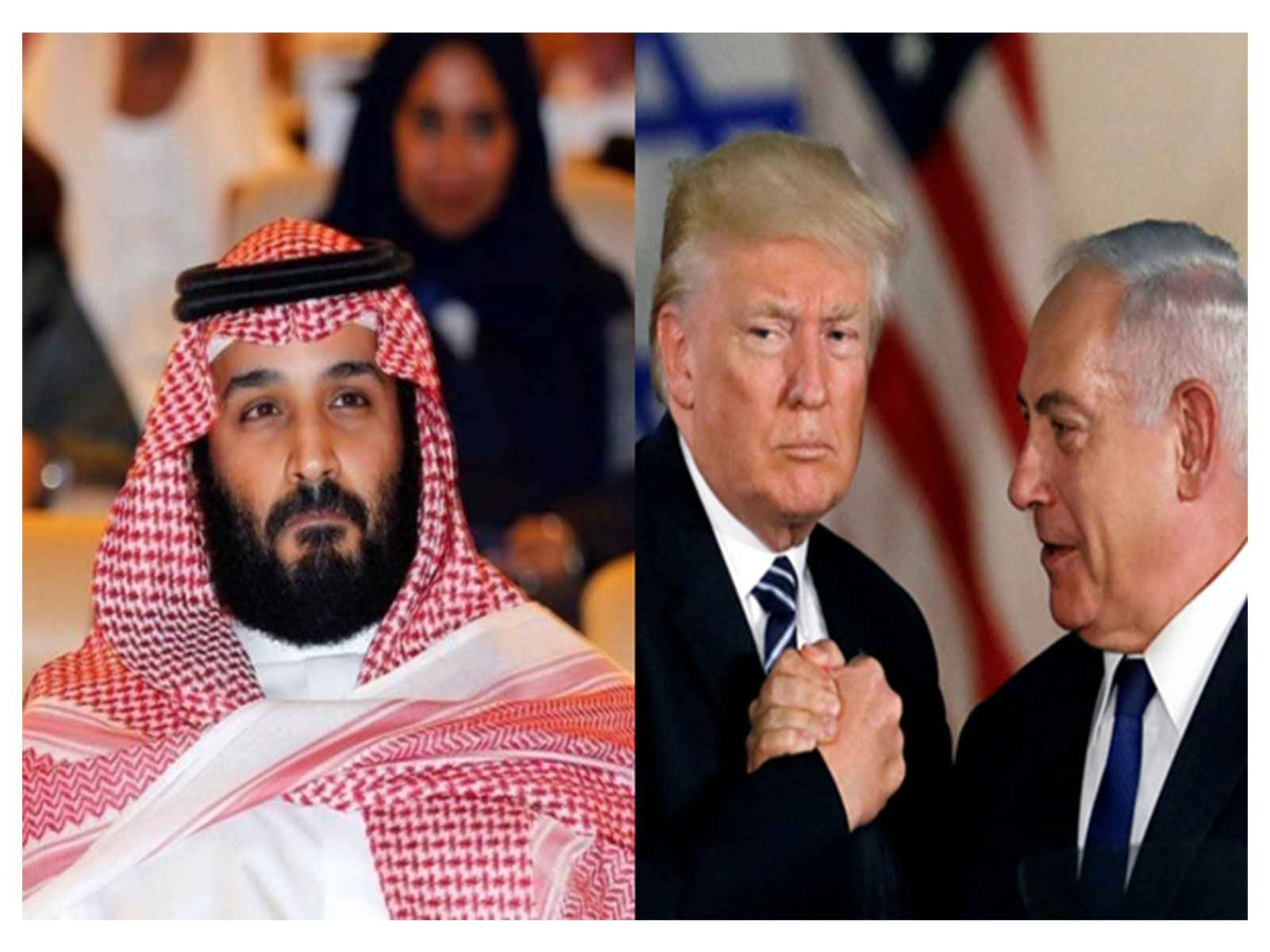
The joint strike on Iran on Saturday, dubbed “Operation Epic Fury” (US) and “Operation Roaring Lion” (Israel), is a rare confluence of interests that was reportedly influenced by lobbying efforts by Israel and Saudi Arabia, the Washington Post reported.
According to the Washington Post, according to four unnamed sources familiar with the matter, Saudi Arabia instigated the United States to launch a joint attack on Iran with Israel, which ultimately resulted in the death of Supreme Leader Ayatollah Ali Khamenei.
For many years, these two powers operated as “friendly enemies” in the shadow of Iran’s regional influence. The reference here is “the enemy of my enemy”.
Saudi Crown Prince Mohammed bin Salman has privately called U.S. President Donald Trump several times in recent weeks, while publicly appealing for “diplomatic support” to resolve the issue, according to four of the people, according to the Washington Post.
Israeli Prime Minister Benjamin Netanyahu, meanwhile, continued his long-running public campaign for US strikes against a country he sees as an existential threat, according to the Washington Post.
According to the Washington Post, the combined influence of Saudi Arabia and Israel reportedly helped Trump order a massive air campaign against Iran’s leadership and military, resulting in the death of Khamenei and several other senior Iranian officials in the early hours of the month.
By returning to the White House with the slogan of “power through action”, Trump completely ended the 37-year-old threat. The death of 86-year-old Ali Khamenei, as well as the deaths of several top military and political leaders, effectively ended the “second revolution”.
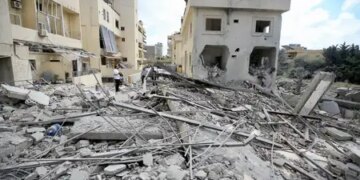
The US and Israel launched a massive air campaign targeting Iran’s leadership and military, killing Supreme Leader Ali Khamenei and several senior officials. Iran retaliated by launching missile attacks on US bases, Israel and other targets in the Middle East.
The situation still remains uncertain, with the Trump administration claiming the attack was necessary to prevent an “imminent threat” from Iran.
Iran is observing 40 days of national mourning following the death of Ayatollah Ali Khamenei, and widespread mourning and protests have been reported across the country.
The supreme leader’s office has declared a period of national mourning, under which flags will be flown at half-mast and public meetings will be held to pay tribute.
Khamenei, who replaced the revolution’s founder Ruhollah Khomeini, has led Iran since 1989 with unwavering resistance against Western influence.
Authorities have stepped up security across the country, especially in big cities. Preventing unrest and ensuring public safety in Tehran is the first priority. Now speculation has also increased regarding the selection of Khamenei’s successor.