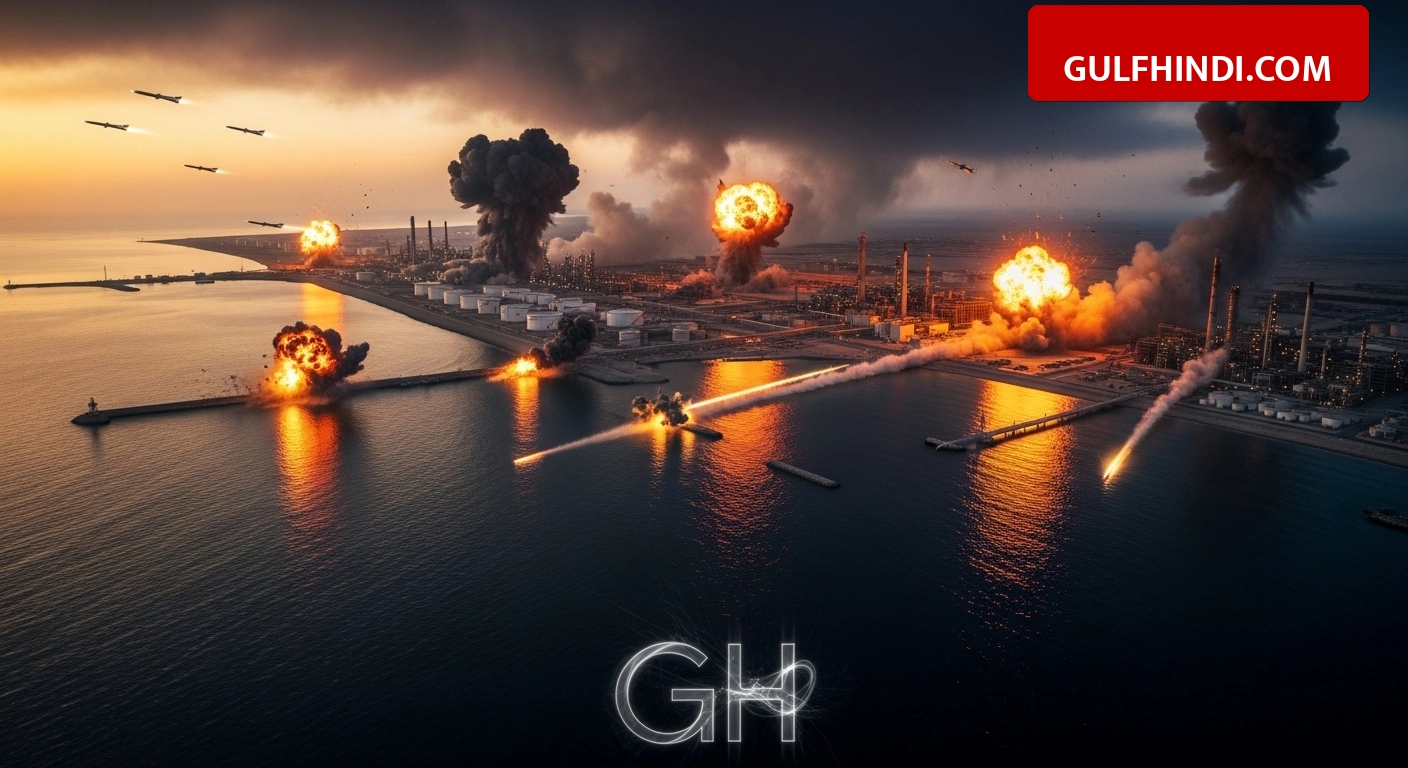
Tension has increased significantly in the Gulf region as Iran has targeted important oil and gas sites of countries like Saudi Arabia, Qatar and Kuwait. Britain, France, Germany, Italy, Netherlands, Japan and Canada have issued a joint statement strongly condemning these attacks. Due to these attacks, the Strait of Hormuz, the world’s most important sea route, has been almost closed, posing a serious threat to global energy security.
Which targets were damaged by Iran’s attacks?
The attacks by Iran have caused significant damage to the energy infrastructure of the Gulf countries. This has adversely affected not only the economy of these countries but also the international oil market. The table below lists the main locations affected:
Location Name Country Impact Ras Laffan LNG Facility Qatar 17% reduction in export capacity SAMREF Refinery Saudi Arabia Direct attack and damage Mina Al-Ahmadi Refinery Kuwait Impact on operations
What action is being taken at the international level?
Powerful countries around the world and the United Nations have intervened in this matter and appealed to Iran for immediate peace. The following steps have been taken to deal with this situation:
UN resolution: The UN Security Council passed Resolution 2817 and ordered Iran to immediately stop the attacks.
Statement from seven countries: 7 countries including UK, America and Japan have demanded to ensure safe movement of ships.
IEA’s decision: In view of the shortage of oil, the International Energy Agency has decided to release strategic petroleum reserves.
Saudi and GCC stance: The Gulf Cooperation Council has reiterated its right to defend itself.
The Strait of Hormuz is currently closed to most commercial ships, which may delay the supply of oil to India and other countries. Iran is allowing only ships carrying oil from select countries like China, Türkiye and India to pass through there.